

Advancing Green Building Materials for Sustainable Development
Share:
As pressure to reduce carbon emissions continues to intensify, green building materials are becoming an increasingly important direction for Vietnam’s construction industry. Green material solutions can help improve energy efficiency, reduce operating costs and minimise environmental impacts. At the same time, the use of environmentally responsible materials can support projects seeking green building certifications such as LEED, LOTUS and EDGE. For businesses, this is becoming an important factor in strengthening competitiveness and supporting long-term sustainable growth.
Are green building materials really necessary?
As energy costs rise and environmental standards become more demanding, many developers are beginning to view green building materials as a long-term solution for modern developments.
Beyond reducing emissions and improving energy efficiency, materials such as Low-E glass, non-fired bricks and low-VOC paints can also contribute to better indoor environmental quality and more efficient building operations.
According to the World Green Building Council, the use of more sustainable building solutions can contribute to significant reductions in carbon emissions compared with conventional development approaches. Projects pursuing certifications such as LEED or LOTUS may also gain advantages in attracting tenants and strengthening asset value.
This indicates that sustainable materials are gradually becoming part of a new standard for the construction industry in Vietnam.
Traditional materials vs. green materials
When selecting building materials, developers often need to balance upfront investment with long-term operational performance.
Compared with conventional materials, green alternatives may involve higher initial costs in some cases, but they can provide long-term benefits through improved energy efficiency, lower emissions and reduced operating expenses.
This is one reason why green building projects increasingly prioritise sustainable material solutions.
|
Criteria |
Traditional materials |
Green materials |
|
Wall materials |
Fired clay bricks produced using energy-intensive processes with relatively high CO₂ emissions |
Non-fired bricks with lower production emissions and improved thermal and acoustic performance |
|
Building glazing |
Conventional glass can allow significant heat gain, increasing cooling demand |
Low-E glass helps reduce solar heat gain and cooling energy consumption |
|
Structural materials |
Conventional concrete relies heavily on cement, which has a high embodied carbon footprint |
Lower-carbon concrete can incorporate fly ash, blast-furnace slag or recycled materials |
|
Energy efficiency |
Generally lower performance and greater dependence on mechanical cooling |
Can reduce heat gain and improve overall building energy performance |
|
Initial investment cost |
Often lower |
Can be higher depending on material type and specification |
|
Long-term operating cost |
Potentially higher energy use and maintenance requirements |
Can contribute to reduced energy, water and maintenance costs |
|
Environmental impact |
Greater resource consumption and carbon emissions |
Reduced environmental impact and stronger support for sustainability objectives |
|
Typical applications |
Conventional residential and commercial buildings |
Green buildings, offices, hotels, retail developments and other sustainability-focused projects |
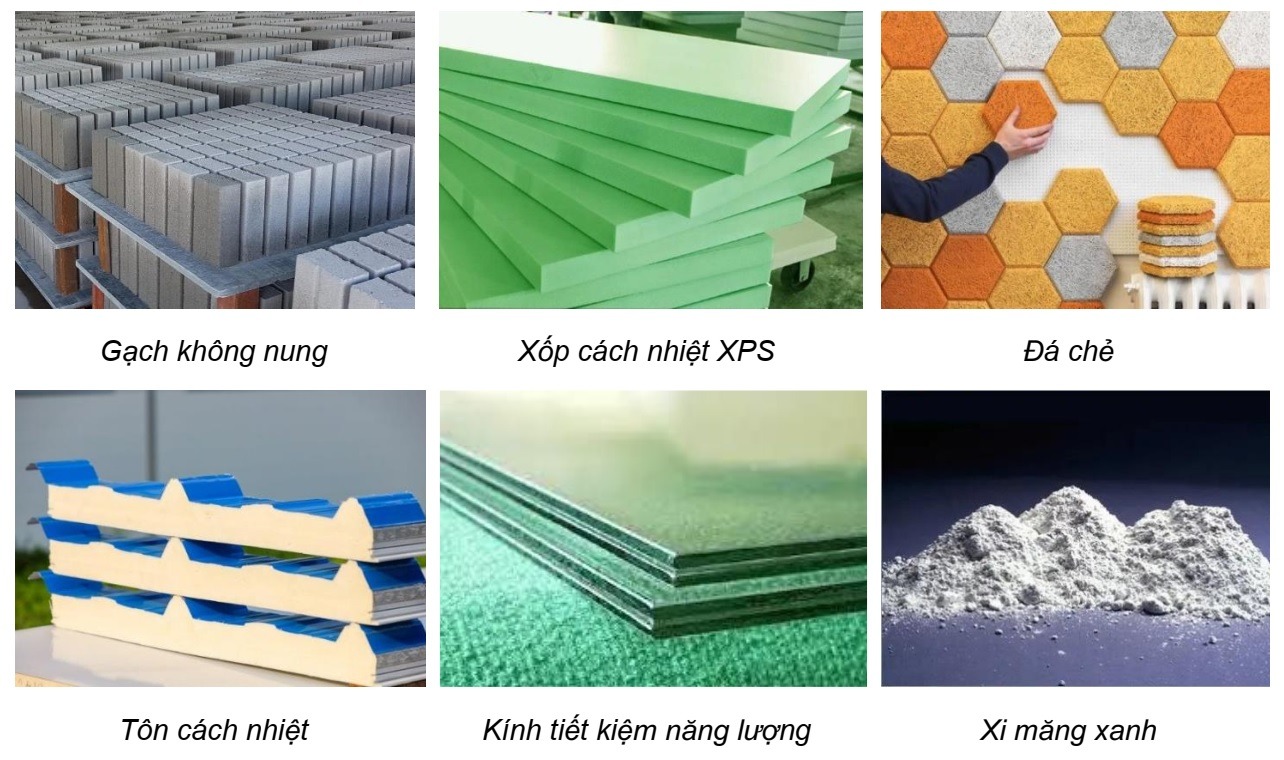
Common categories of green building materials
Vietnam’s green building materials market is developing rapidly as demand increases for energy-efficient and environmentally responsible buildings.
Some commonly used solutions include:
- Non-fired bricks: lower production-related emissions, good acoustic performance and suitable for walls and partitions
- Low-E glass: reduces heat gain and cooling demand, making it suitable for façades and large glazed areas
- Recycled concrete: incorporates construction waste or alternative materials to reduce demand for virgin resources
- FSC-certified timber: sourced from responsibly managed forests and commonly used in interior applications
- Low-VOC paints: reduce volatile organic compound emissions and help improve indoor air quality
- Thermal insulation materials: help reduce heat transfer, control moisture and improve building durability
These materials not only help reduce environmental impacts but can also improve building performance over the long term.
Solutions such as Low-E glazing, insulation and low-VOC finishes are increasingly applied in residential projects, offices and hotels to reduce energy consumption and improve indoor environmental quality.
Material standards and certifications
In green building projects, material certifications can help demonstrate environmental performance, product safety and compliance with sustainability requirements.
Some commonly referenced standards and certifications include:
- FSC: applies to timber sourced from responsibly managed forests
- Global GreenTag: assesses the environmental and health performance of building materials, finishes and interior products
- EPD – Environmental Product Declaration: provides quantified information on the environmental impacts of a product across its life cycle
- LEED, LOTUS and EDGE: green building rating systems that assess projects across areas including energy, water, materials and environmental performance
In addition to formal certifications, developers increasingly evaluate technical indicators such as:
- VOC: levels of volatile organic compounds that can affect indoor air quality
- Embodied carbon: carbon emissions associated with material production, transport and construction
- Recyclability: the extent to which materials can be reused or recycled at the end of their service life
- Local sourcing: the use of materials produced closer to the project site to reduce transportation impacts and support local supply chains
These factors help project teams select materials that better align with sustainability objectives and improve the project’s ability to pursue green building certification.
Investment cost and long-term performance
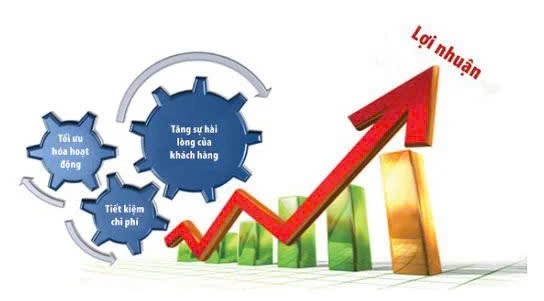
The initial cost of some green building materials can be higher than that of conventional alternatives, particularly for products such as high-performance glazing, low-VOC coatings or advanced insulation systems.
However, the additional cost is often concentrated at the initial investment stage, while the long-term benefits may include reduced energy and water consumption, lower maintenance requirements and improved building durability.
Depending on the project, investments in energy-efficient and sustainable solutions may be recovered over time through operational savings.
Beyond lower operating costs, higher-performance materials can also support more consistent building quality and reduce the risk of premature deterioration.
For this reason, many businesses increasingly view sustainable construction not simply as an environmental initiative, but as part of a broader strategy to improve long-term investment efficiency.
Applications and green building trends
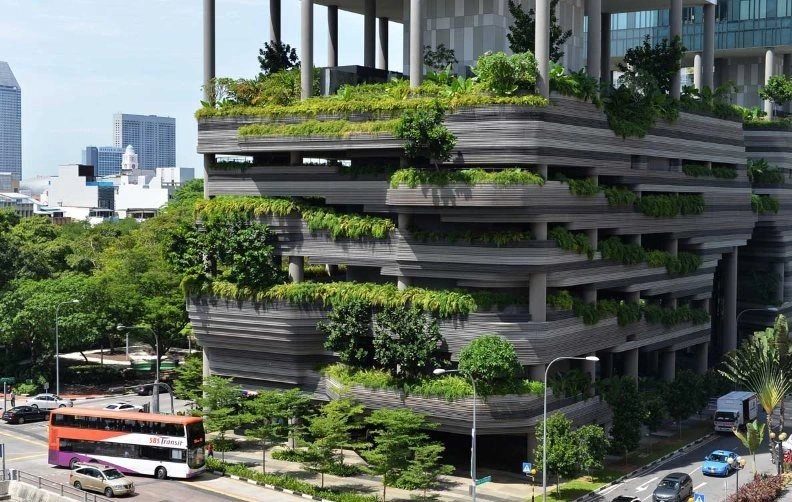
Different building types require different combinations of sustainable materials to optimise energy use, indoor environmental quality and operational performance.
Residential projects may prioritise non-fired bricks, low-VOC paints and thermal insulation, while office and hotel developments often place greater emphasis on Low-E glazing and energy-efficient façade systems.
Schools, hospitals and industrial facilities may focus more heavily on durable, moisture-resistant, recycled or low-impact materials, as well as lower-carbon concrete solutions.
Across building types, the roof, façade, glazing and insulation layers are particularly important because of their significant influence on heat gain and overall energy demand.
The green materials market also varies by real estate segment.
Grade A offices and international hotels increasingly regard green building certifications such as LEED and LOTUS as competitive advantages, while mid-market residential developments are beginning to adopt more cost-effective sustainability solutions.
This suggests that green materials are gradually moving beyond premium developments and becoming more mainstream across Vietnam’s construction market.
Case studies and real-world market applications
In recent years, a growing number of green building projects in Vietnam have demonstrated the role that sustainable materials can play in improving energy performance.
Office buildings and commercial developments in Hanoi and Ho Chi Minh City increasingly use Low-E glazing, thermal insulation and low-VOC finishes to reduce cooling demand and improve operational efficiency.
Many LEED- and LOTUS-certified projects also prioritise FSC-certified timber, lower-carbon concrete and recycled materials as part of their sustainability strategies.
The adoption of green materials is also expanding beyond premium projects into residential and mid-sized commercial developments. Developers are increasingly considering locally sourced and recycled materials to reduce embodied carbon and transportation impacts, while growing demand from multinational tenants for LEED- or EDGE-certified offices is further supporting the development of Vietnam’s sustainable construction market.
Material risks and supplier selection
As demand for green buildings grows, one of the key risks for developers is selecting products based primarily on marketing claims such as “eco-friendly” or “green” without sufficiently verifying their technical performance.
This can result in higher costs without corresponding improvements in building performance, particularly when materials are not suited to Vietnam’s climate and operating conditions.
Products without adequate certification or technical documentation may also present risks such as cracking, moisture damage, premature degradation or poor indoor air quality due to excessive VOC emissions.
For this reason, project teams should prioritise materials supported by recognised certifications or environmental documentation such as FSC, recognised green product labels or EPDs.
Technical specifications, test reports, warranty conditions and product performance should also be reviewed carefully before construction.
The increasing availability of certified Low-E glazing, low-VOC coatings, FSC timber, insulation products and other sustainability-focused materials is helping project teams improve quality control while reducing long-term maintenance risks.
Ultimately, the value of green building materials lies not simply in whether a product is marketed as “green”, but in whether its environmental and technical performance can be demonstrated, verified and integrated effectively into the overall building design.
Latest news

GRI standards now available in Vietnamese: What it means for ESG Reporting in Vietnam
On 14 September 2026, the Global Reporting Initiative (GRI) announced that the latest versions of its complete sustainability reporting Standards are now available in Vietnamese. The release covers the revised Universal Standards, all current Sector Standards and the latest Topic Standards, including GRI 101: Biodiversity 2024, GRI 102: Climate Change 2025 and GRI 103: Energy 2025. [1] GRI first made its Standards available in Vietnamese in 2017. The 2026 update brings Vietnamese-language users up to date with the current modular system and gives companies across the country direct access to the same reporting framework used internationally to identify, manage and disclose impacts on the economy, environment and people. [1] GRI is also expanding engagement in Vietnam through training, technical guidance and knowledge-sharing, with particular attention to small and medium-sized enterprises (SMEs). According to GRI, these programs are intended to help organizations assess sector-specific impacts, strengthen value-chain resilience and respond to disclosure expectations from international markets and sustainable finance providers. [1]

Green Finance in Vietnam: Buildings Seeking Capital Must Start with Data
On 18 September 2026, the Vietnam International Financial Centre in Da Nang (VIFC-DN) identified green finance and the carbon market as priority areas for development. The announcement was not accompanied by a specific lending product, but it sent a clear signal about the direction of green capital in the years ahead: projects will increasingly need to demonstrate environmental performance through data that can be measured, reviewed and independently verified. For developers, industrial asset owners, FDI companies and building operators, the key question is no longer simply “Is this building green?” The more important questions are: “What data proves that it is green, who verifies that data, and will the data continue to be maintained after financing has been disbursed?”

Green industrial parks: A key factor in attracting the next generation of FDI
As international investment increasingly prioritises sustainable development, green industrial parks are emerging as a new competitive benchmark for the market. The attractiveness of an industrial park is no longer determined solely by land availability or rental rates. Today, competitiveness depends increasingly on infrastructure quality, operational capability, ESG performance and the ability to create an efficient and sustainable production ecosystem for investors.


Circular economy under scarcity pressure: Is resource autonomy the solution?
Amid increasing resource scarcity and escalating geopolitical instability, the concept of resource autonomy is emerging as a strategic priority. This article examines how resource autonomy not only complements—but may even surpass—the circular economy as a framework for enabling industrial systems to adapt to the future.

Green construction is no longer a choice - It is becoming the cost of staying in business for Vietnamese companies
Vietnam’s construction industry is entering a period of transformation on an unprecedented scale. In the past, “green construction” was often treated as a branding trend or a marketing advantage. Today, ESG requirements, emissions audits and low-carbon standards are increasingly becoming prerequisites for companies seeking to participate in global supply chains. At the seminar “Science, Technology and Sustainable Development”, organised by the Ho Chi Minh City Construction and Building Materials Association (SACA), experts shared a common message: the construction industry no longer has much time to “prepare” for the green transition - action needs to start now.
Build Green, Build with ARDOR Green

