

Resilient Cities: Infrastructure and Legal Frameworks Must Advance Together
Share:
A resilient city is an urban area capable of absorbing, adapting to, and recovering from shocks and long-term stresses — from acute disasters such as storms, floods, and landslides, to chronic pressures such as rapid urbanization, ecosystem degradation, and supply-chain vulnerabilities.
1. Definition of a Resilient City
A resilient city is an urban area capable of absorbing, adapting to, and recovering from shocks and long-term stresses — from acute disasters such as storms, floods, and landslides, to chronic pressures such as rapid urbanization, ecosystem degradation, and supply-chain vulnerabilities.
The concept is not measured solely by a city’s ability to “withstand” impacts, but also by its capacity to learn, transform, and maintain essential functions for its residents.
2. A Practical Implementation Pathway Must Consider All Risks
.jpg)
Figure 1. Infographic illustrating typical risks faced by port cities, source: IPCC
When discussing climate risk, people often think only of physical hazards such as stronger storms, extreme rainfall, or sea-level rise. However, according to the IPCC, this is only part of the picture. To properly assess risk, three additional determinants must be examined:
1. Vulnerability of communities
This factor is strongly shaped by socio-economic conditions: poverty, inequality, informal housing, and social exclusion. Vulnerable groups consistently suffer the most severe impacts in any disaster.
2. Adaptive capacity and ability to recover
A climate hazard becomes a disaster only when communities cannot cope or recover. This is directly tied to:
• people’s behavior,
• governance and institutional capacity,
• availability of capital and long-term investment.
3. Exposure to hazards
Geographical location, pace of urbanization, and the expansion of settlements into low-lying or coastal zones all increase exposure — even when the frequency of hazards does not rise significantly.
These additional factors are particularly relevant to Asia — home to many megacities that grow rapidly yet face deep inequality. Uncontrolled urban expansion and informal construction leave large populations fully exposed to storms, floods, and tidal surges.
.jpg)
Figure 2. Map of Asian countries affected by sea-level rise; Vietnam is among the most vulnerable. Source: UN-Habitat
Kavita Sinha — Director of the Private Sector Facility at the Green Climate Fund (GCF) — notes:
“Coastal cities in Asia are not prepared for a scenario of warming above 2°C. They are acting, but their resources are insufficient.”
She further emphasizes that climate resilience is not only a climate issue, but a determinant of economic competitiveness:
“Resilient cities will attract capital and economic activity. Cities that fail to act will fall behind.”
.png)
Figure 3. Kavita Sinha speaking at the 15th World Forestry Congress
3. Core Principles for Making Urban Infrastructure Climate-Resilient
To move from concepts to action, cities typically employ a combination of engineering, design, and governance measures. The key strategic groups below are distilled from global guidelines (World Bank, OECD, IPCC, UN-Habitat):
a) Design infrastructure based on lifecycle and climate scenarios
• Develop risk maps and scenario models (flood maps, sea-level rise projections, extreme rainfall bands) to set requirements for elevation, drainage capacity, and structural loads — rather than relying on historical standards.
b) Upgrade systems using both “hard” and “soft” measures
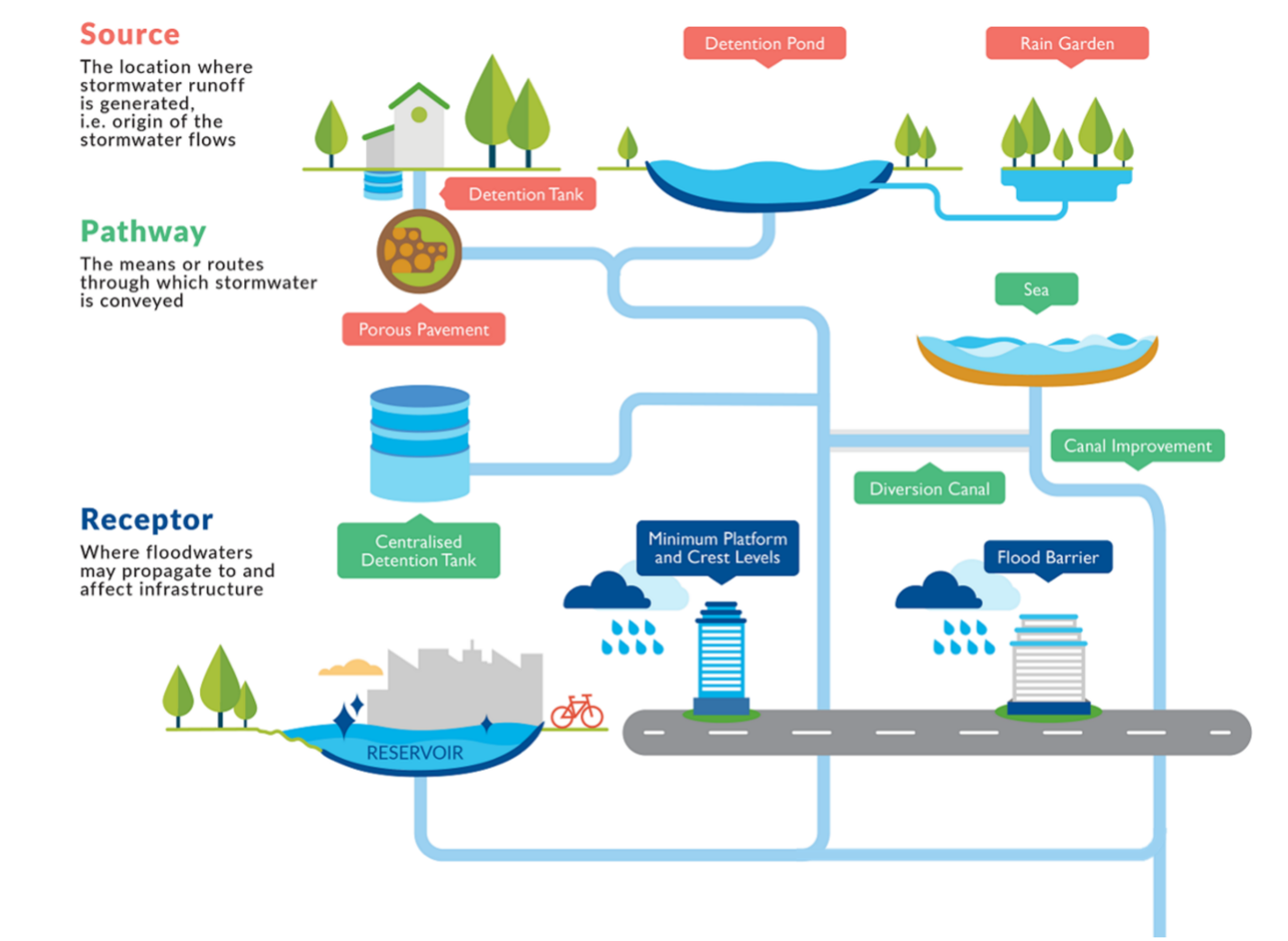
Figure 4. Diagram of elements required for effective drainage, source: Singapore’s National Water Agency
• Hard engineering: sea walls, large culverts, pumping stations, elevated roads, reinforced bridges.
• Nature-based solutions: restored wetlands, mangrove forests, retention parks, and detention lakes to absorb stormwater and reduce pressure on drainage systems. These solutions also provide co-benefits such as biodiversity, urban cooling, and enhanced public space.
c) Integrate governance, data, and finance
• Early-warning systems, emergency-fund mechanisms, updated design standards, and PPP financing models for resilient infrastructure.
• Investments should consider Life Cycle Assessment (LCA) rather than upfront cost alone.
d) Ensure flexibility and redundancy
• Design modular systems and service redundancies so that if one road, power line, or water line fails, the network continues functioning.
e) Put people at the center — especially vulnerable groups
• Resilience is not only technical; plans must ensure that vulnerable residents can access early warnings, social protection, and post-event support.
China has been piloting the “sponge city” model — where parks, lakes, and permeable systems absorb rainfall into underground reservoirs. Over the past decade, major coastal cities such as Tianjin, Xiamen, and Shanghai have been restructured to incorporate this model.
In Sanya, the Dong’an Wetland Park is a notable example where sponge-city design successfully manages stormwater flooding in a coastal urban environment.
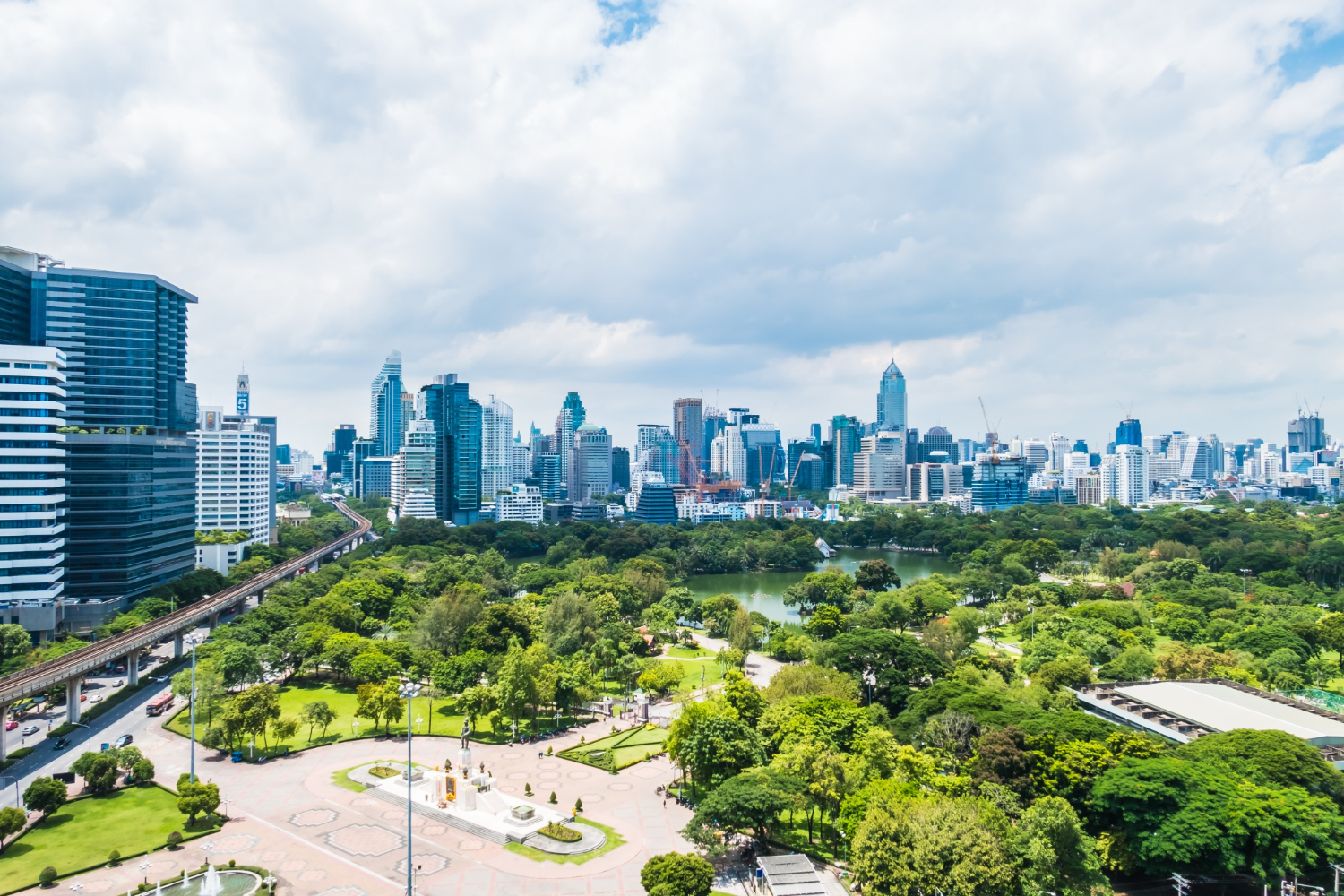
Figure 5. Dong'an Wetland Park in Sanya, applying sponge-city principles to better manage urban floodwater. Image: Turenscape.
The sponge-city approach not only reduces flood risk but also cools cities during heatwaves, while stored water can be filtered and reused more easily than wastewater. However, high upfront costs and recent extreme flood events that exceeded system capacity have slowed adoption. GCF researchers note that better planning, city-specific customization, and clearer legal mandates are needed to demonstrate broader public-health and socio-economic benefits.
Experts at the GCF further stress:
“The barriers are not technical — they are social, institutional, and political. To win support, sponge-city models must show clear economic and social returns.”
4. Strengthening Financing for Urban Resilience Projects
Despite escalating climate risks, adaptation finance still attracts limited private-sector interest. Infrastructure such as sea walls or drainage systems rarely generates direct revenue, unlike mitigation projects (e.g., renewable energy).
Moreover, avoided losses and indirect benefits are rarely captured in traditional economic models. In developing countries, public budgets are also strained by health, social welfare, and defense, leaving limited resources for adaptation.
Some countries are exploring new solutions. China is piloting land value capture, where the government recovers part of the increased land value around areas upgraded with public infrastructure and reinvests it into resilience projects. Research in China also shows rising property values linked to improved air quality — helping quantify intangible benefits and enabling new forms of taxation for reinvestment.
In climate adaptation, more resilient infrastructure helps stabilize asset values against extreme weather — providing a rationale for dedicated taxes or fees supporting large-scale projects.
Multilateral development banks are also promoting blended finance, where they provide concessional capital to de-risk projects and attract private investors. The GCF has co-financed projects ranging from sanitation and transportation upgrades in Bangladesh’s informal settlements to water-supply improvements in Kiribati.
According to GCF, climate-adaptation business models are still emerging, but demand for investment in food security, water security, and climate-resilient infrastructure is rising rapidly. However, blended-finance deals remain a small share of the market. To scale up, governments must introduce clear policies, reduce regulatory risk, and foster localized financing — national green banks, municipal green bonds — to reduce currency risks and prioritize domestic needs.
The private sector is also testing mechanisms such as parametric climate insurance, which automatically pays out when weather thresholds are exceeded (e.g., excessive rainfall or high temperatures). Some rice and coffee farms in Vietnam have begun adopting such insurance.
5. Conclusion: Strategic Implications for Policymakers — Building for the Future
• Resilient cities are not a one-time solution; they require continuous investment in both physical infrastructure and governance, legal, and financial reforms.
• Effective strategies combine hard–soft solutions, local data, and social inclusion — particularly for the poor and vulnerable.
• In Southeast Asia, practical experience shows the need to balance “big solutions” (sea walls, pumping stations) with “nature-based/local solutions” (mangroves, detention lakes, urban drainage upgrades). Successful projects adopt an integrated vision — technical, economic, and social.
• Practical policies must focus on unlocking financial value to scale up resilience investments that deliver long-term societal benefits.
Sources
UN-Habitat — Guide to the City Resilience Profiling Tool
UNDRR / MCR2030 — Making Cities Resilient 2030
IPCC AR6 — Cities, Settlements and Key Infrastructure
OECD — Infrastructure for a Climate-Resilient Future (2024)
World Bank — Resilient Cities Program & Urban Infrastructure Guidance
Case studies: PUB Singapore — Marina Barrage; Jakarta NCICD; HCMC Flood-Risk Management (World Bank)
Latest news

GRI standards now available in Vietnamese: What it means for ESG Reporting in Vietnam
On 14 September 2026, the Global Reporting Initiative (GRI) announced that the latest versions of its complete sustainability reporting Standards are now available in Vietnamese. The release covers the revised Universal Standards, all current Sector Standards and the latest Topic Standards, including GRI 101: Biodiversity 2024, GRI 102: Climate Change 2025 and GRI 103: Energy 2025. [1] GRI first made its Standards available in Vietnamese in 2017. The 2026 update brings Vietnamese-language users up to date with the current modular system and gives companies across the country direct access to the same reporting framework used internationally to identify, manage and disclose impacts on the economy, environment and people. [1] GRI is also expanding engagement in Vietnam through training, technical guidance and knowledge-sharing, with particular attention to small and medium-sized enterprises (SMEs). According to GRI, these programs are intended to help organizations assess sector-specific impacts, strengthen value-chain resilience and respond to disclosure expectations from international markets and sustainable finance providers. [1]

Green Finance in Vietnam: Buildings Seeking Capital Must Start with Data
On 18 September 2026, the Vietnam International Financial Centre in Da Nang (VIFC-DN) identified green finance and the carbon market as priority areas for development. The announcement was not accompanied by a specific lending product, but it sent a clear signal about the direction of green capital in the years ahead: projects will increasingly need to demonstrate environmental performance through data that can be measured, reviewed and independently verified. For developers, industrial asset owners, FDI companies and building operators, the key question is no longer simply “Is this building green?” The more important questions are: “What data proves that it is green, who verifies that data, and will the data continue to be maintained after financing has been disbursed?”

Green industrial parks: A key factor in attracting the next generation of FDI
As international investment increasingly prioritises sustainable development, green industrial parks are emerging as a new competitive benchmark for the market. The attractiveness of an industrial park is no longer determined solely by land availability or rental rates. Today, competitiveness depends increasingly on infrastructure quality, operational capability, ESG performance and the ability to create an efficient and sustainable production ecosystem for investors.


Circular economy under scarcity pressure: Is resource autonomy the solution?
Amid increasing resource scarcity and escalating geopolitical instability, the concept of resource autonomy is emerging as a strategic priority. This article examines how resource autonomy not only complements—but may even surpass—the circular economy as a framework for enabling industrial systems to adapt to the future.

Advancing Green Building Materials for Sustainable Development
As pressure to reduce carbon emissions continues to intensify, green building materials are becoming an increasingly important direction for Vietnam’s construction industry. Green material solutions can help improve energy efficiency, reduce operating costs and minimise environmental impacts. At the same time, the use of environmentally responsible materials can support projects seeking green building certifications such as LEED, LOTUS and EDGE. For businesses, this is becoming an important factor in strengthening competitiveness and supporting long-term sustainable growth.
Build Green, Build with ARDOR Green

