

Raising Green Awareness Through the Design of an Observation Tower
Share:
According to the Bangkok Metropolitan Administration, Bangkok has 6.99m² of green space per person, which is below the minimum of 9m² recommended by the World Health Organization (WHO). The Benchakitti Forest Park, located in central Bangkok, opened to the public in 2022 with the goal of offering Bangkok a more expansive green space and a new, happy way of life.
The Benchakitti Rainforest Observation Tower is an architectural statement aimed at creating more natural environments and reflecting the demand of Bangkok residents for green spaces. The project is situated in the heart of Benchakitti Forest Park, surrounded by a large number of wetlands and trees. Its natural ecosystem, combined with elements like flowers, birds, and insects, is as beautiful as a paradise.
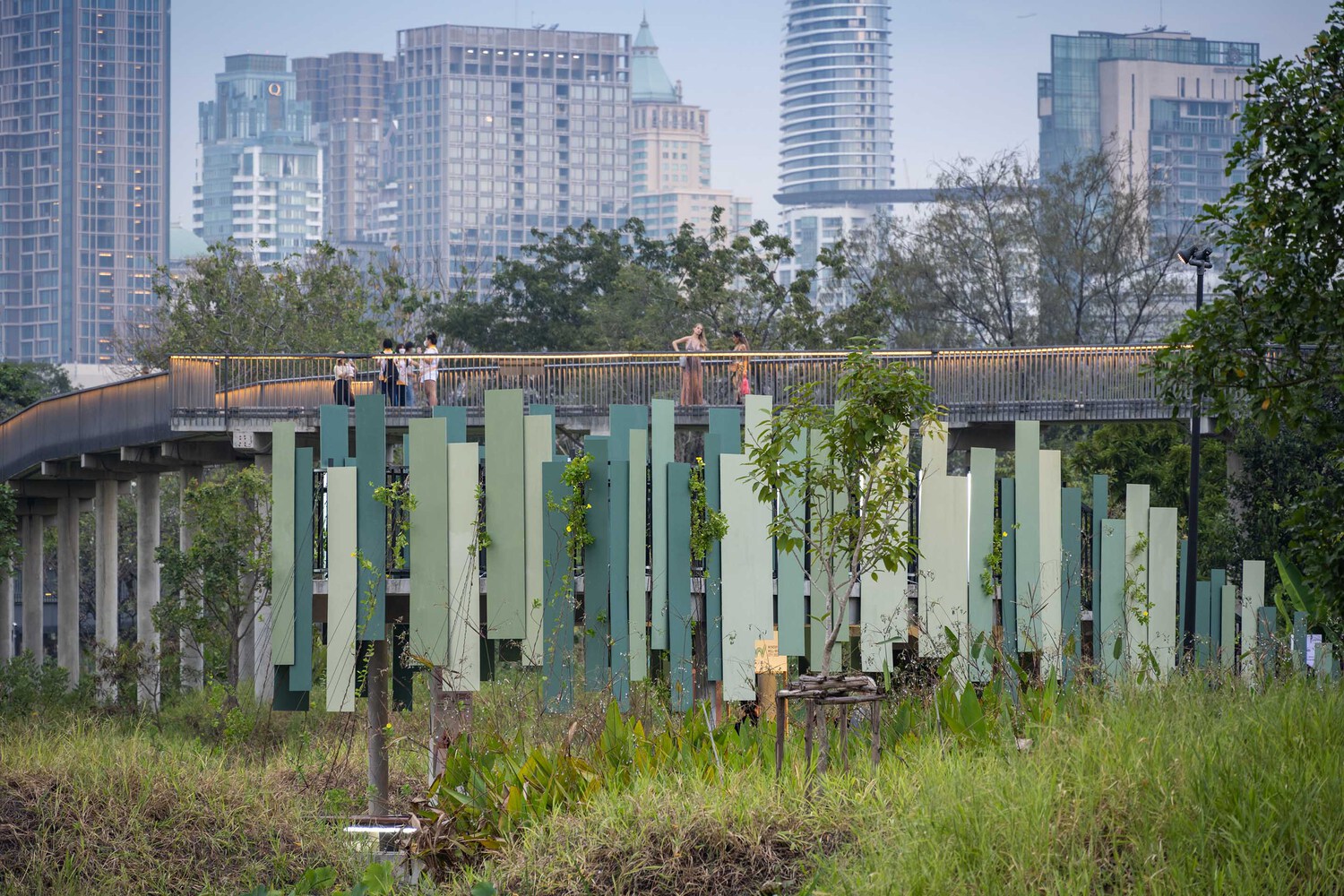
Inspired by its surroundings, the Benchakitti Rainforest Observation Tower seems to be enveloped by the forest canopy. It resembles not just a floating island but also a precious tropical rainforest in its natural ecosystem, providing visitors with a shared habitat for animals and plants.
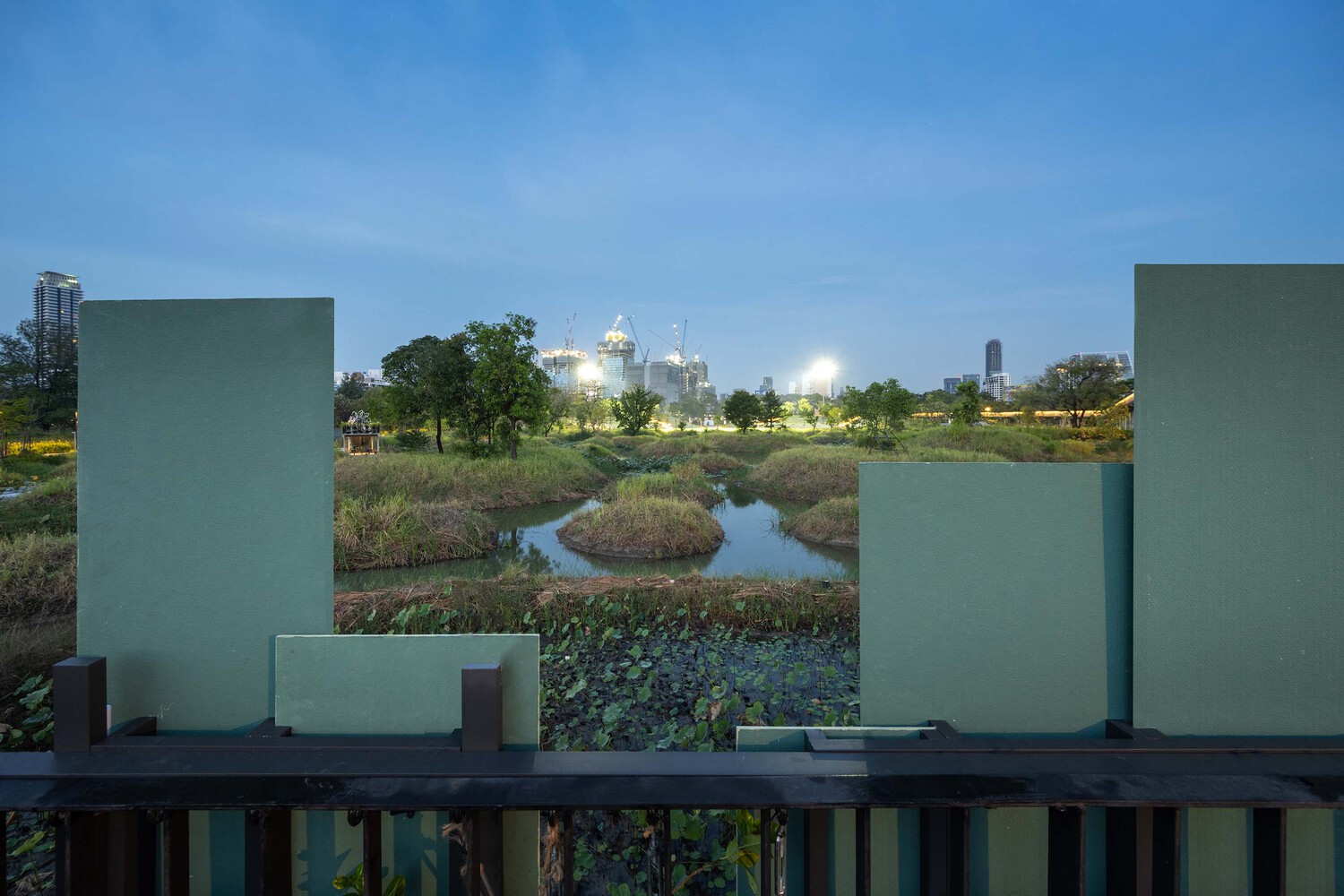
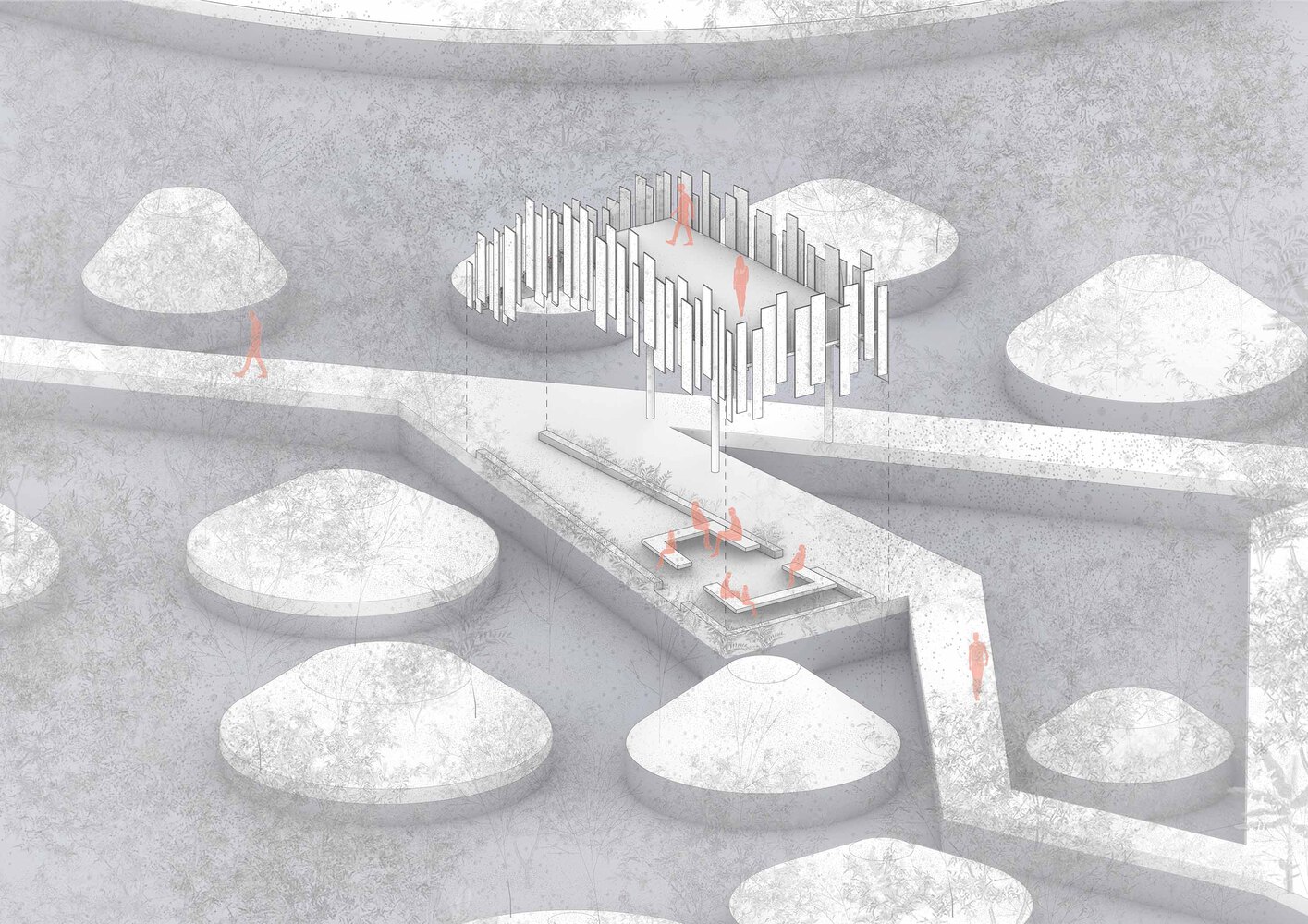
Its slightly undulating form directs visitors to upper observation decks with views of the park, while lower levels offer resting spaces that incorporate misting systems to simulate a wetland environment. These areas also provide activities for the public, such as relaxation, yoga, meditation, and family events.
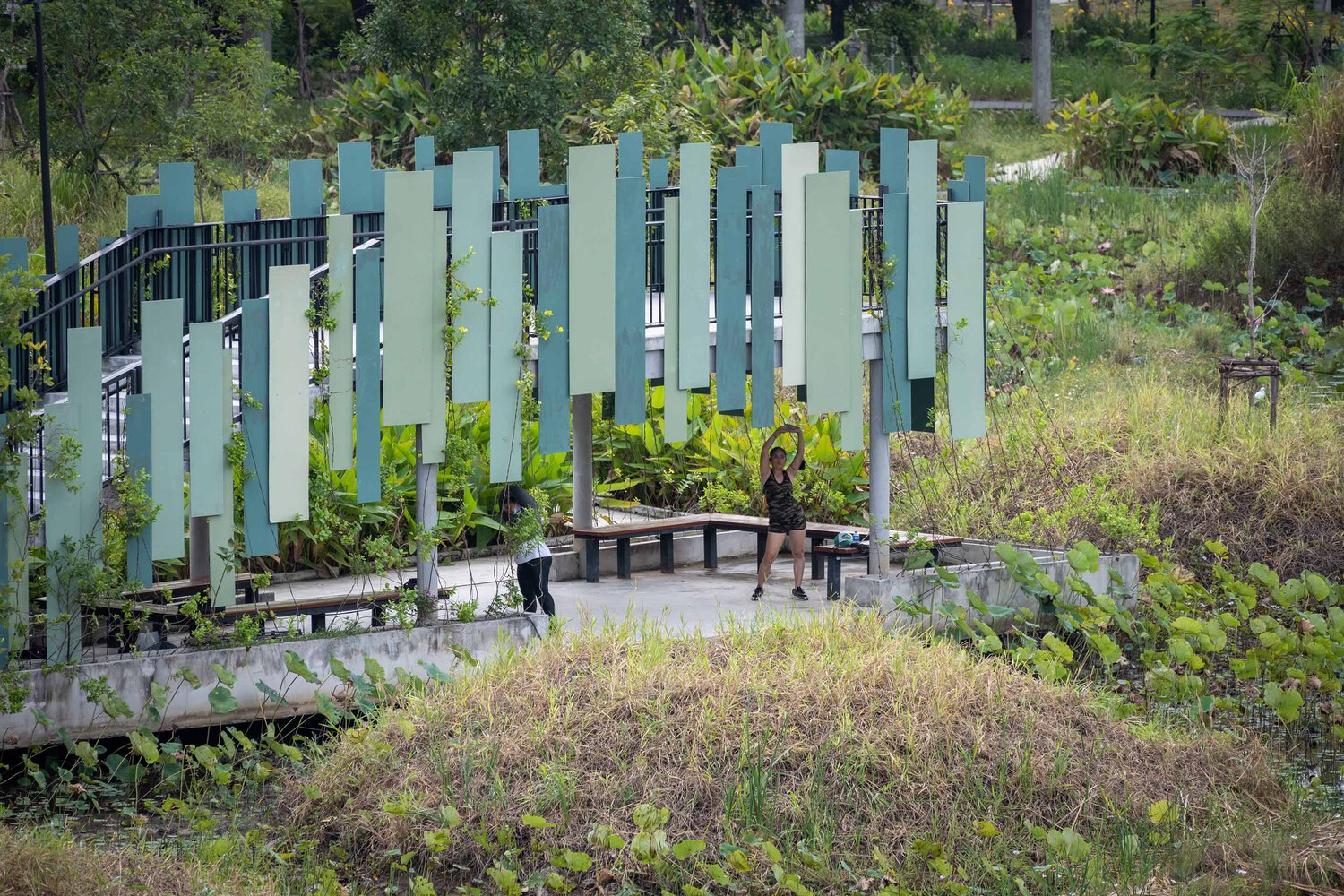
During the day, the Benchakitti Rainforest Observation Tower appears like a chameleon within the park. Nearly a hundred smart panels are integrated with four different sustainable paint colors to achieve a perfect balance with the environment. At night, light strips behind the smart panels provide various forms of illumination, causing the building to seemingly disappear into the natural surroundings.
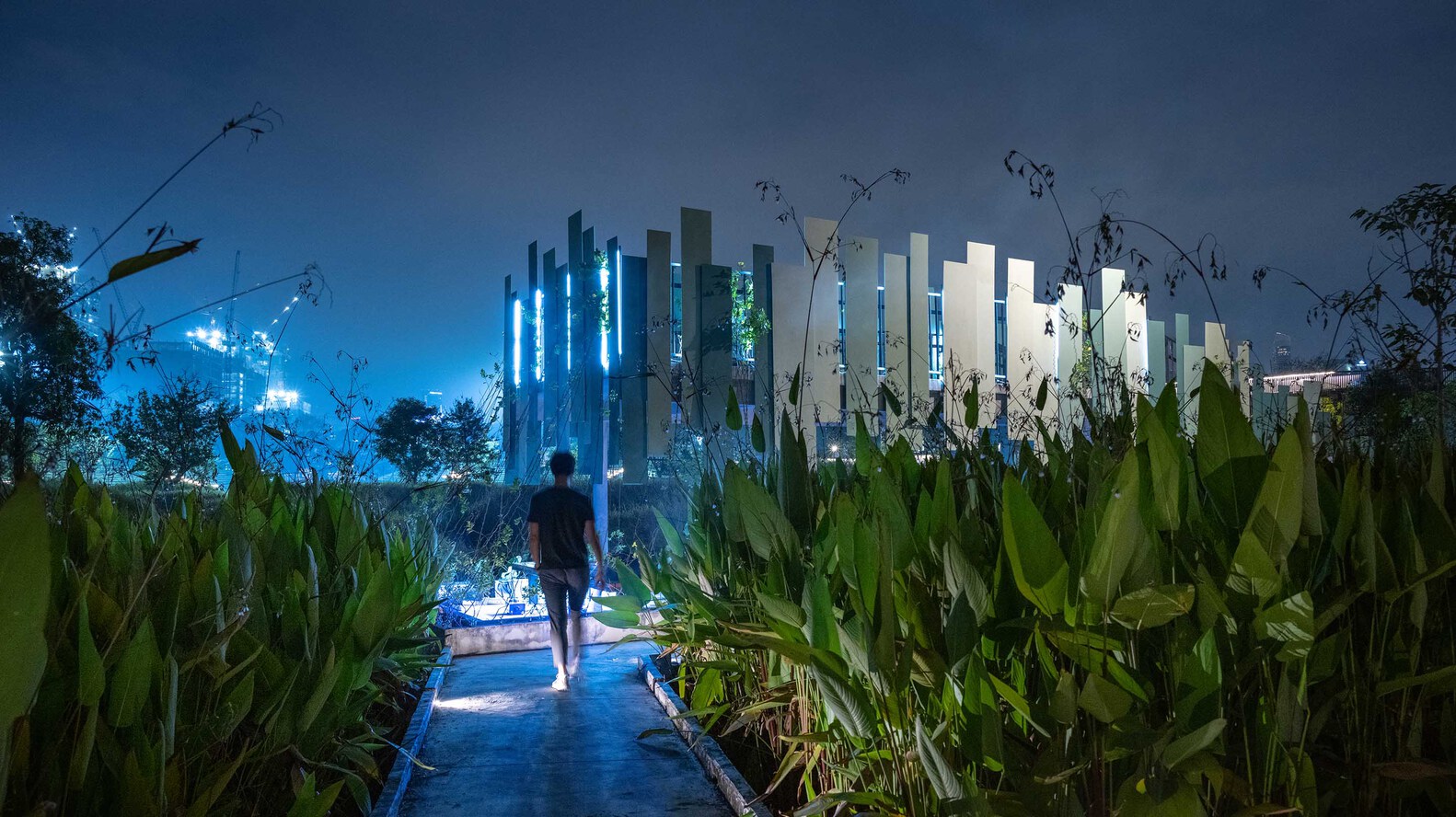
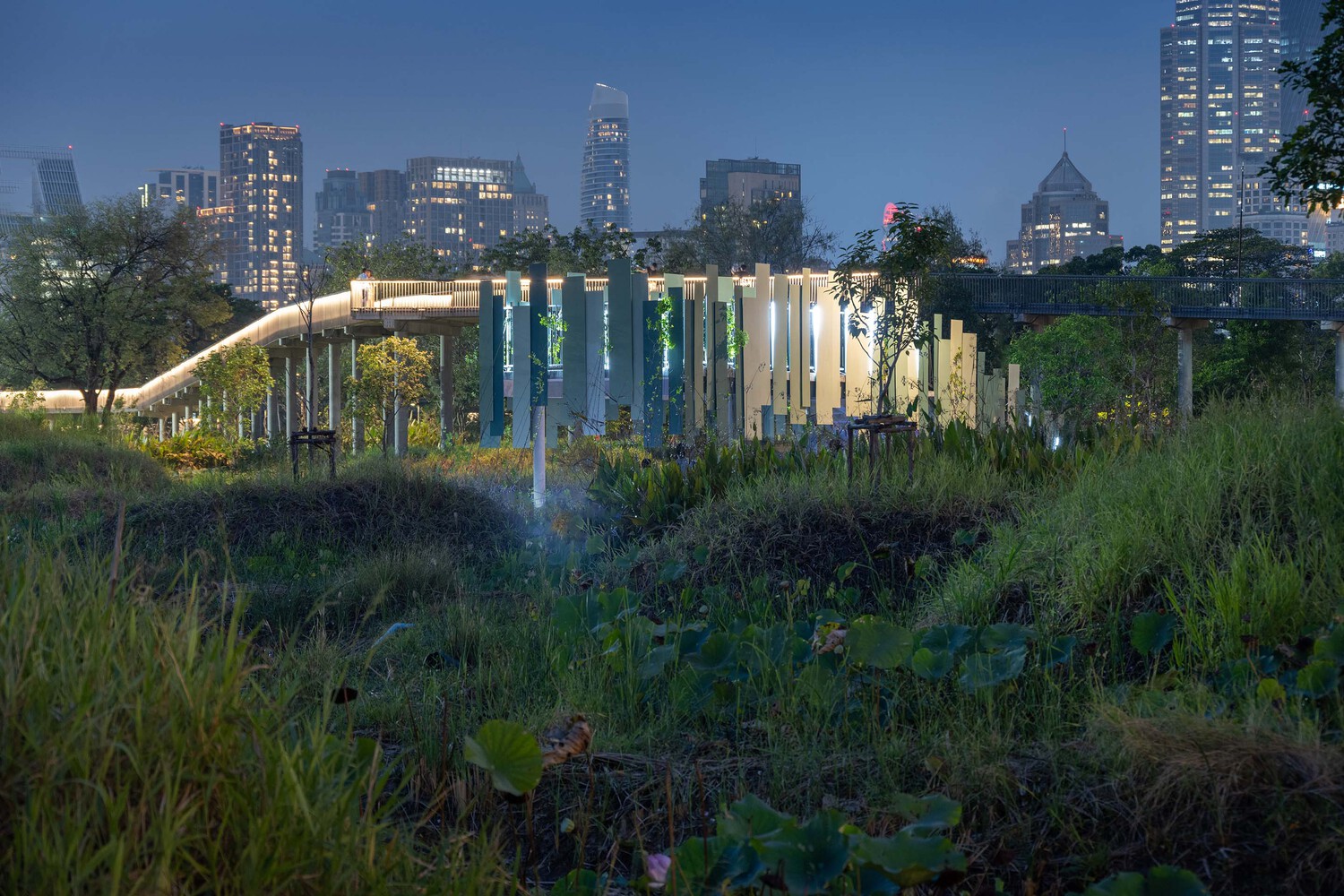
HAS Design and Research believes that the Benchakitti Rainforest Observation Tower is not just a service facility but also resembles a tropical rainforest. It offers not only shade for visitors but also fosters community values and hosts educational events to raise environmental awareness for Bangkok’s future.
Follow us for more Green ideas.
Build Green. Build with ARDOR Green.
#ARDORSeeds. #Architecture. #Green. #Interior. #Landscape. #Lighting.
Latest news

Scope 3 Emissions - Điểm mù lớn nhất của bất động sản bền vững
Mỗi sáng, hàng nghìn người di chuyển đến tòa nhà của bạn bằng xe máy xăng, ô tô cá nhân hoặc taxi công nghệ. Mỗi chiều, họ lại rời đi theo cách tương tự. Chu trình đó lặp lại hàng trăm ngày mỗi năm - và trong suốt thời gian đó, một lượng phát thải carbon khổng lồ đang được tạo ra bên ngoài phạm vi vận hành trực tiếp của tòa nhà. Đây là “điểm mù Scope 3” của bất động sản.


ARDOR Green named Vietnam’s Top 3 LEED® Proven Providers™ by GBCI
What this means for our clients: A more efficient LEED review timeline, with approvals completed significantly faster than the standard review process. Direct and enhanced engagement with the GBCI review team, enabling complex issues to be reviewed and resolved through focused, one-on-one discussions. Independent recognition of ARDOR Green’ established expertise in LEED project administration, reflecting the firm’s high standards in design quality and documentation.

Unlocking Multi-Credit Synergies through Integrative Design in LEED v4
The realization of benefits associated with LEED starts with a transformation of the design process itself. Rather than treating credits as separate components on a checklist, an Integrative Process encourages project teams to identify synergies and interrelationships across multiple categories. By conducting early research and analysis during the "discovery" phase, teams can implement specific building features that "stack" points, achieving high levels of performance and cost-effectiveness.

Re-shaping the Construction Industry: When Emissions, Technology, and Data Become the New Market Standards
In recent years, green finance has often been cited as the key that enables Vietnamese enterprises to access international markets. However, the broader picture of the construction industry reveals a far deeper transformation: the world is not merely changing how capital is allocated, but is fundamentally restructuring the entire industry toward low emissions, advanced technology, and data transparency.

ARDOR Green Named the Only Green Design Consultancy Among Vietnam’s Sustainability Leaders
At the Vietnam Sustainable Construction Forum (VSCF) 2025, a national-level event welcoming more than 500 delegates from government agencies, businesses, industry experts, and international organizations, ARDOR Green was honored as the only design consultancy among 17 pioneering enterprises recognized for sustainable development in Vietnam’s construction industry.
Build Green, Build with ARDOR Green

