

The Subtle Fusion of Modern Architecture & Traditional Craftsmanship
Share:
Designed for a young family of four, the building includes bedrooms, two workspaces, and a common family area connected to an 18-foot high dining area. The public function (a bar) is located on the top floor for spontaneous gatherings. The building also features an expandable kitchen for chef training sessions.
Some of the building’s sustainable features include:
Platinum certification from IGBC Green Homes.
Construction that combines high-tech design techniques with traditional methods.
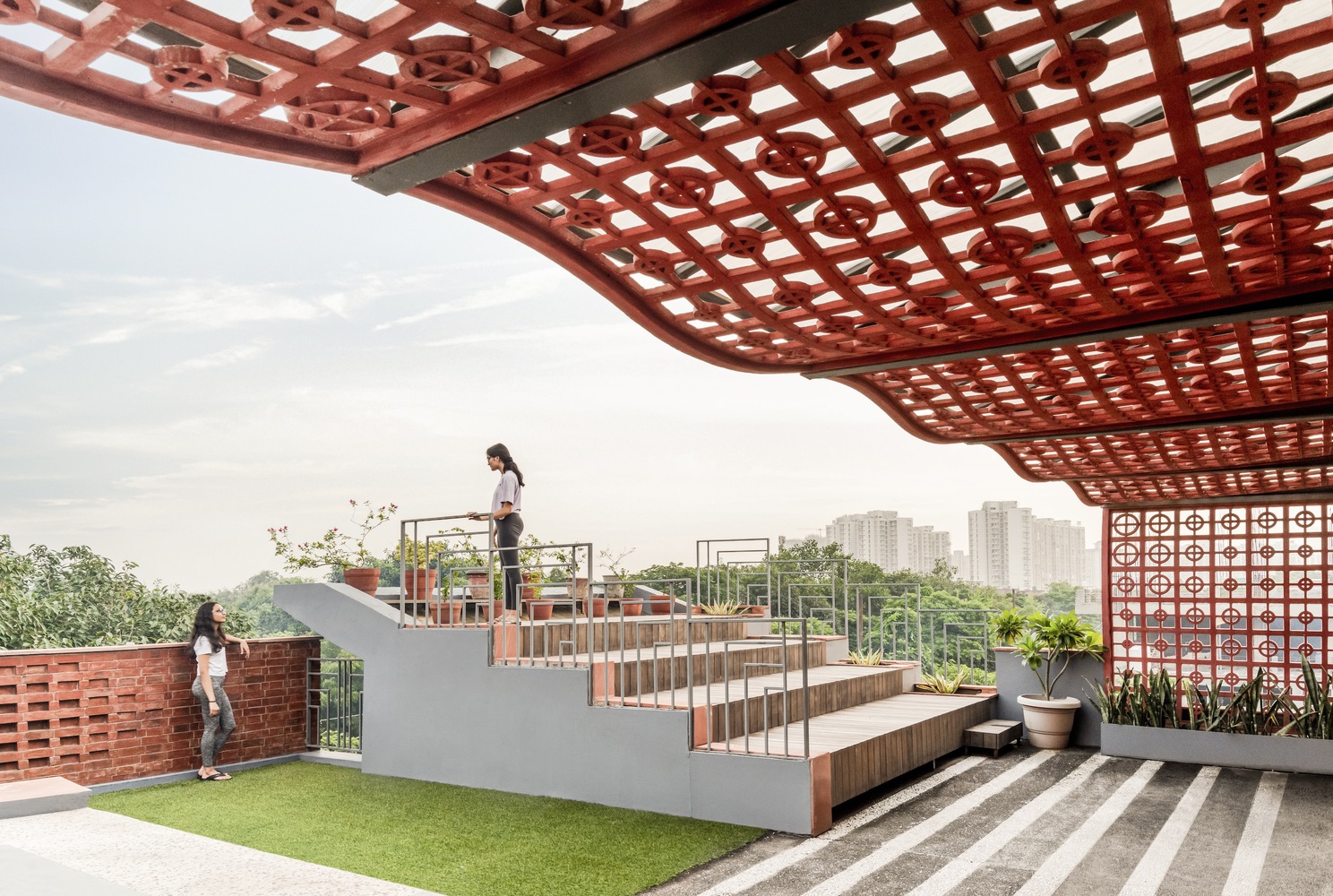
Traditional materials are used alongside high-performance paints and insulation layers that maximize heat transmission reduction.
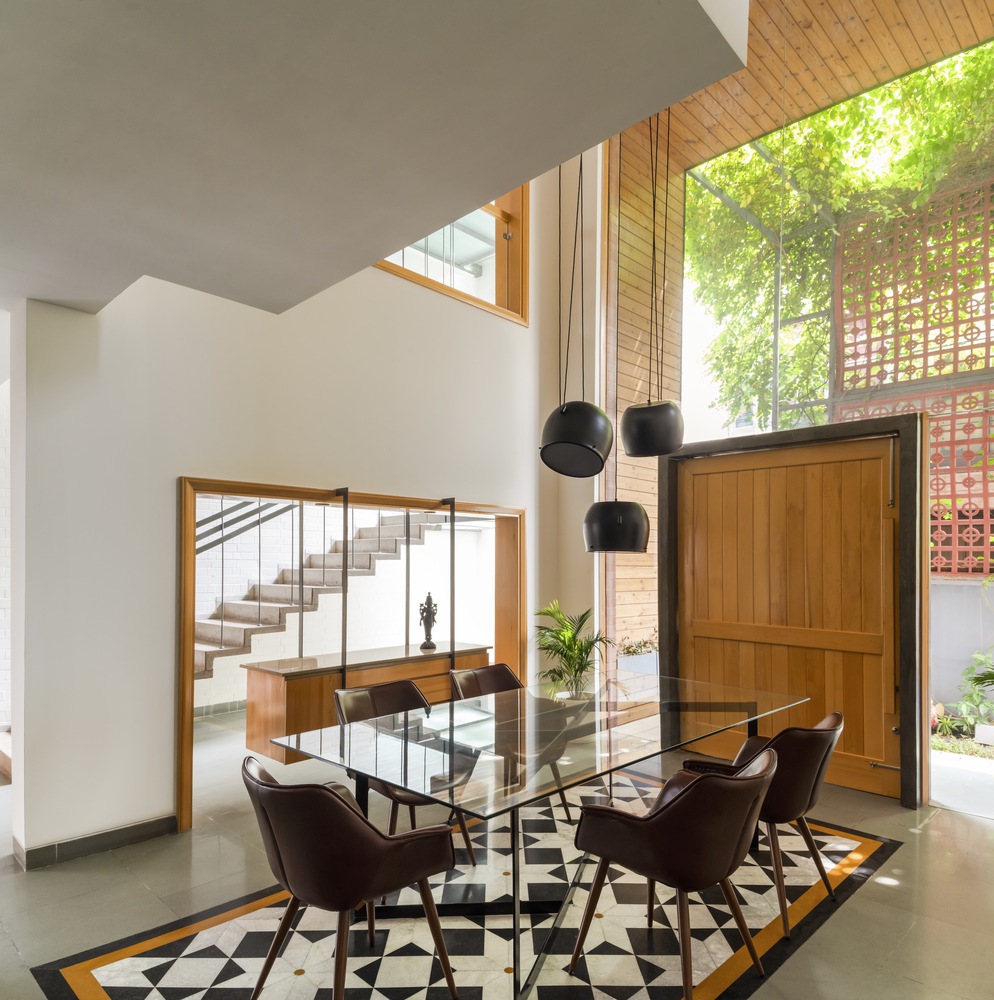
A rainwater collection system, combined with drought-resistant plants.
Over 60% of construction waste was recycled and reused during the building process.
Integrated double ventilation design with spaces filled with natural light.
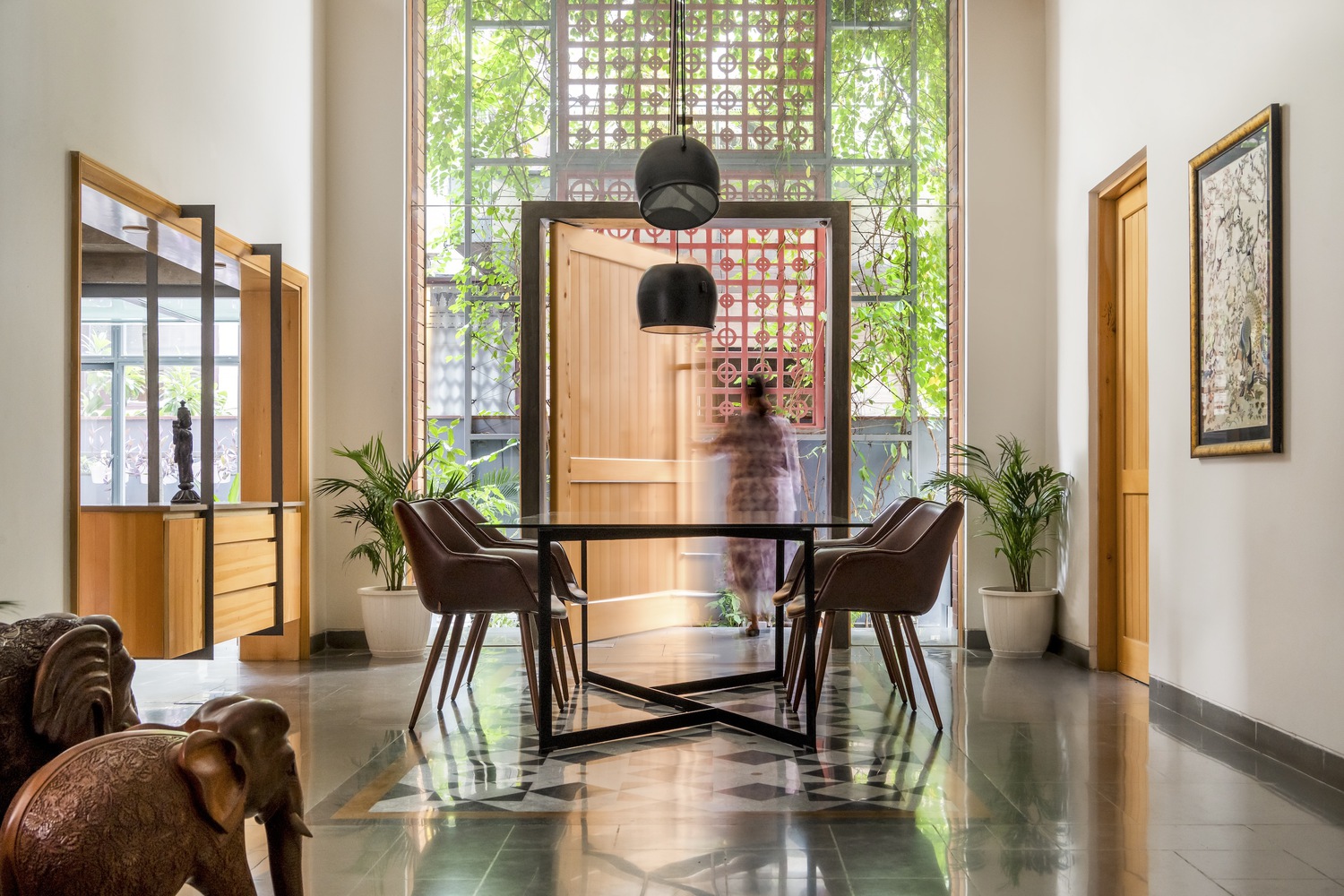
Follow us for more Green ideas.
Build Green. Build with ARDOR Green.
#ARDORSeeds. #LEED. #LOTUS. #EDGE. #ESG. #GreenBuilding. #Sustainability.
Latest news

Scope 3 Emissions - Điểm mù lớn nhất của bất động sản bền vững
Mỗi sáng, hàng nghìn người di chuyển đến tòa nhà của bạn bằng xe máy xăng, ô tô cá nhân hoặc taxi công nghệ. Mỗi chiều, họ lại rời đi theo cách tương tự. Chu trình đó lặp lại hàng trăm ngày mỗi năm - và trong suốt thời gian đó, một lượng phát thải carbon khổng lồ đang được tạo ra bên ngoài phạm vi vận hành trực tiếp của tòa nhà. Đây là “điểm mù Scope 3” của bất động sản.


ARDOR Green named Vietnam’s Top 3 LEED® Proven Providers™ by GBCI
What this means for our clients: A more efficient LEED review timeline, with approvals completed significantly faster than the standard review process. Direct and enhanced engagement with the GBCI review team, enabling complex issues to be reviewed and resolved through focused, one-on-one discussions. Independent recognition of ARDOR Green’ established expertise in LEED project administration, reflecting the firm’s high standards in design quality and documentation.

Unlocking Multi-Credit Synergies through Integrative Design in LEED v4
The realization of benefits associated with LEED starts with a transformation of the design process itself. Rather than treating credits as separate components on a checklist, an Integrative Process encourages project teams to identify synergies and interrelationships across multiple categories. By conducting early research and analysis during the "discovery" phase, teams can implement specific building features that "stack" points, achieving high levels of performance and cost-effectiveness.

Re-shaping the Construction Industry: When Emissions, Technology, and Data Become the New Market Standards
In recent years, green finance has often been cited as the key that enables Vietnamese enterprises to access international markets. However, the broader picture of the construction industry reveals a far deeper transformation: the world is not merely changing how capital is allocated, but is fundamentally restructuring the entire industry toward low emissions, advanced technology, and data transparency.

ARDOR Green Named the Only Green Design Consultancy Among Vietnam’s Sustainability Leaders
At the Vietnam Sustainable Construction Forum (VSCF) 2025, a national-level event welcoming more than 500 delegates from government agencies, businesses, industry experts, and international organizations, ARDOR Green was honored as the only design consultancy among 17 pioneering enterprises recognized for sustainable development in Vietnam’s construction industry.
Build Green, Build with ARDOR Green

