

Exploring How Designers Use Bamboo
Share:
Bamboo Cloud - lLab, originating from a creative idea aimed at creating a natural space that stimulates community gathering and interaction, began with construction in Yangshuo, Guilin.
The project later expanded globally when designers were invited to create an innovative bamboo structure at Gansevoort Plaza in New York. This opened a new door for researching how to create mobile public environments using bamboo that can be easily assembled and disassembled.
Key Architectural Tactics of Bamboo Cloud:
- Leading Experience Model: Bamboo Cloud focuses on using bamboo as an organic building material to optimize performance and challenge conventional limits.
- Unique Structural System: By overturning traditional logic, Bamboo Cloud creates a dynamic wave-shaped bamboo structure with tight connections and evenly distributed weight.
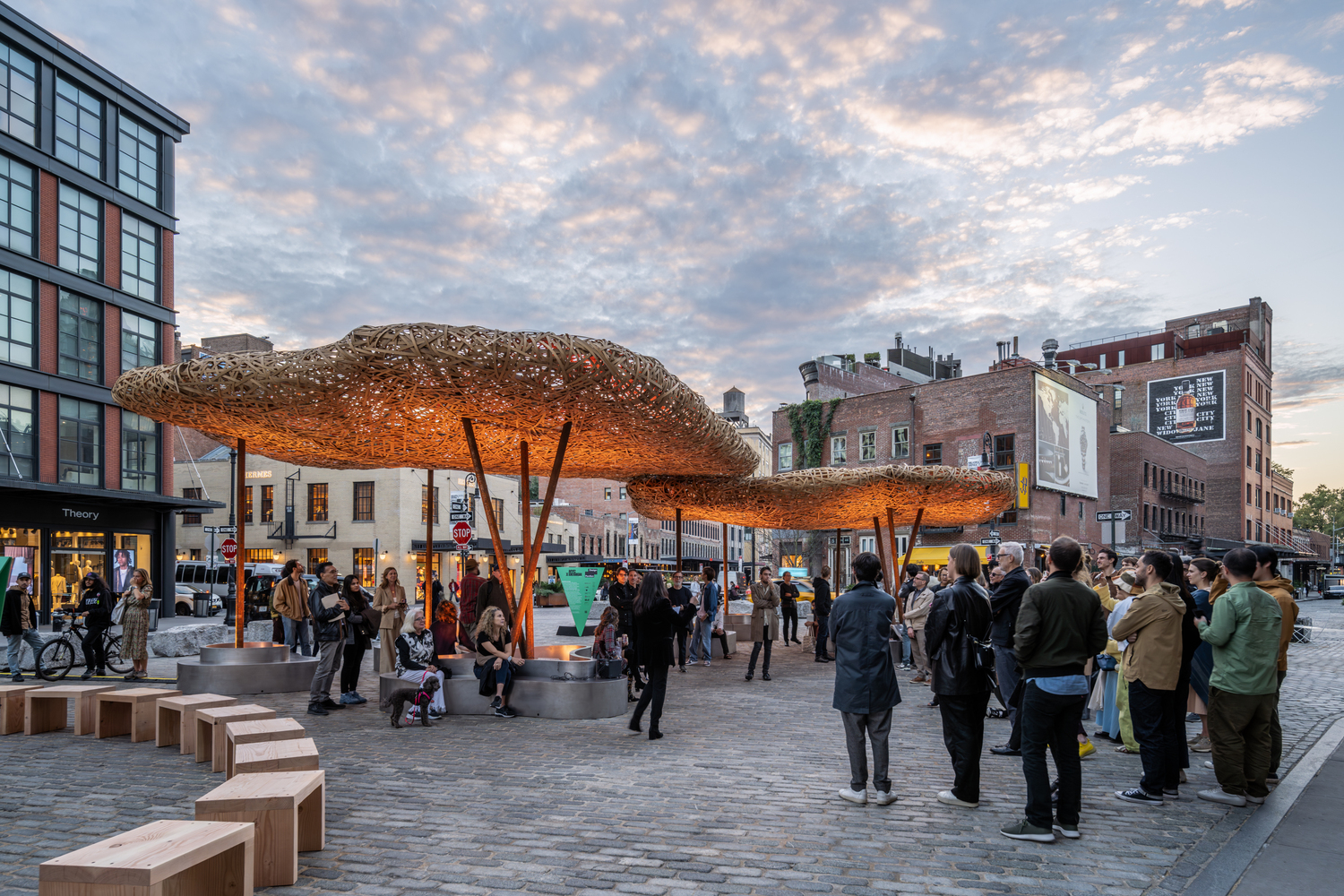
- Expansive Design: Bamboo Cloud explores the relationship between the properties of bamboo and its potential applications beyond conventional standards.
- Operational Porous Space: Utilizing 12 main axes, 16 secondary axes, and approximately 10,000 bamboo fibers, Bamboo Cloud creates a space of about 120 square meters.
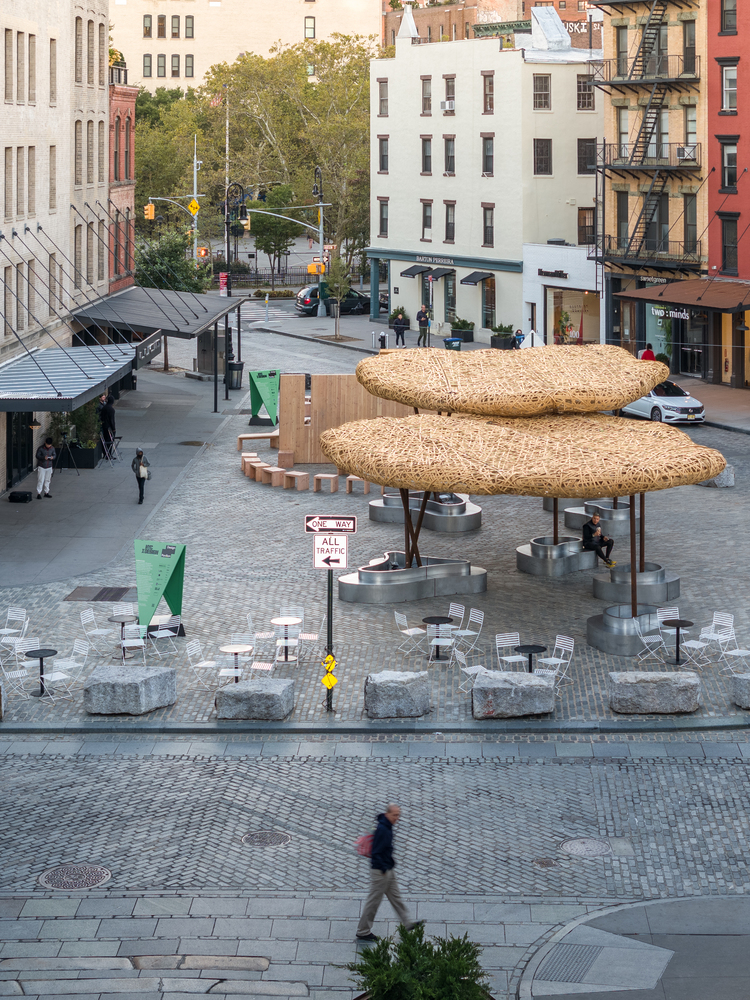
- Experimental Techniques: Experimentation with slender bamboo fibers to test the limits of lightweight construction, focusing on the unique properties of bamboo.
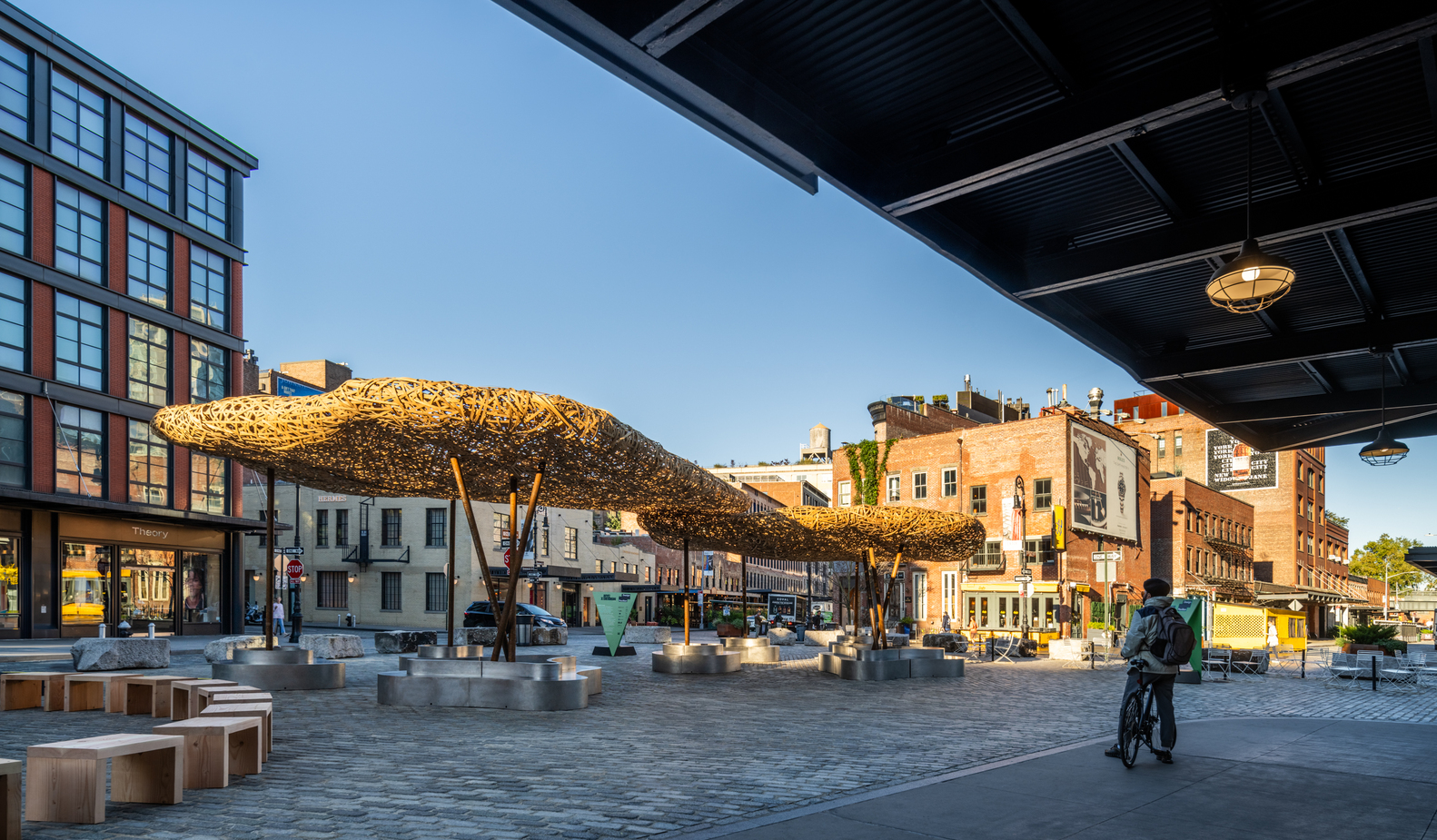
- "Structure Loss" Goal: Bamboo Cloud makes the structure "disappear" in the weaving process, without relying on traditional structural forms.
Follow us for more Green ideas.
Build Green. Build with ARDOR Green.
#ARDORSeeds. #LEED. #LOTUS. #EDGE. #ESG. #GreenBuilding. #Sustainability.
Latest news

GRI standards now available in Vietnamese: What it means for ESG Reporting in Vietnam
On 14 September 2026, the Global Reporting Initiative (GRI) announced that the latest versions of its complete sustainability reporting Standards are now available in Vietnamese. The release covers the revised Universal Standards, all current Sector Standards and the latest Topic Standards, including GRI 101: Biodiversity 2024, GRI 102: Climate Change 2025 and GRI 103: Energy 2025. [1] GRI first made its Standards available in Vietnamese in 2017. The 2026 update brings Vietnamese-language users up to date with the current modular system and gives companies across the country direct access to the same reporting framework used internationally to identify, manage and disclose impacts on the economy, environment and people. [1] GRI is also expanding engagement in Vietnam through training, technical guidance and knowledge-sharing, with particular attention to small and medium-sized enterprises (SMEs). According to GRI, these programs are intended to help organizations assess sector-specific impacts, strengthen value-chain resilience and respond to disclosure expectations from international markets and sustainable finance providers. [1]

Green Finance in Vietnam: Buildings Seeking Capital Must Start with Data
On 18 September 2026, the Vietnam International Financial Centre in Da Nang (VIFC-DN) identified green finance and the carbon market as priority areas for development. The announcement was not accompanied by a specific lending product, but it sent a clear signal about the direction of green capital in the years ahead: projects will increasingly need to demonstrate environmental performance through data that can be measured, reviewed and independently verified. For developers, industrial asset owners, FDI companies and building operators, the key question is no longer simply “Is this building green?” The more important questions are: “What data proves that it is green, who verifies that data, and will the data continue to be maintained after financing has been disbursed?”

Green industrial parks: A key factor in attracting the next generation of FDI
As international investment increasingly prioritises sustainable development, green industrial parks are emerging as a new competitive benchmark for the market. The attractiveness of an industrial park is no longer determined solely by land availability or rental rates. Today, competitiveness depends increasingly on infrastructure quality, operational capability, ESG performance and the ability to create an efficient and sustainable production ecosystem for investors.


Circular economy under scarcity pressure: Is resource autonomy the solution?
Amid increasing resource scarcity and escalating geopolitical instability, the concept of resource autonomy is emerging as a strategic priority. This article examines how resource autonomy not only complements—but may even surpass—the circular economy as a framework for enabling industrial systems to adapt to the future.

Advancing Green Building Materials for Sustainable Development
As pressure to reduce carbon emissions continues to intensify, green building materials are becoming an increasingly important direction for Vietnam’s construction industry. Green material solutions can help improve energy efficiency, reduce operating costs and minimise environmental impacts. At the same time, the use of environmentally responsible materials can support projects seeking green building certifications such as LEED, LOTUS and EDGE. For businesses, this is becoming an important factor in strengthening competitiveness and supporting long-term sustainable growth.
Build Green, Build with ARDOR Green

