

Revitalizing Green Values in an Abandoned Space in New York
Share:
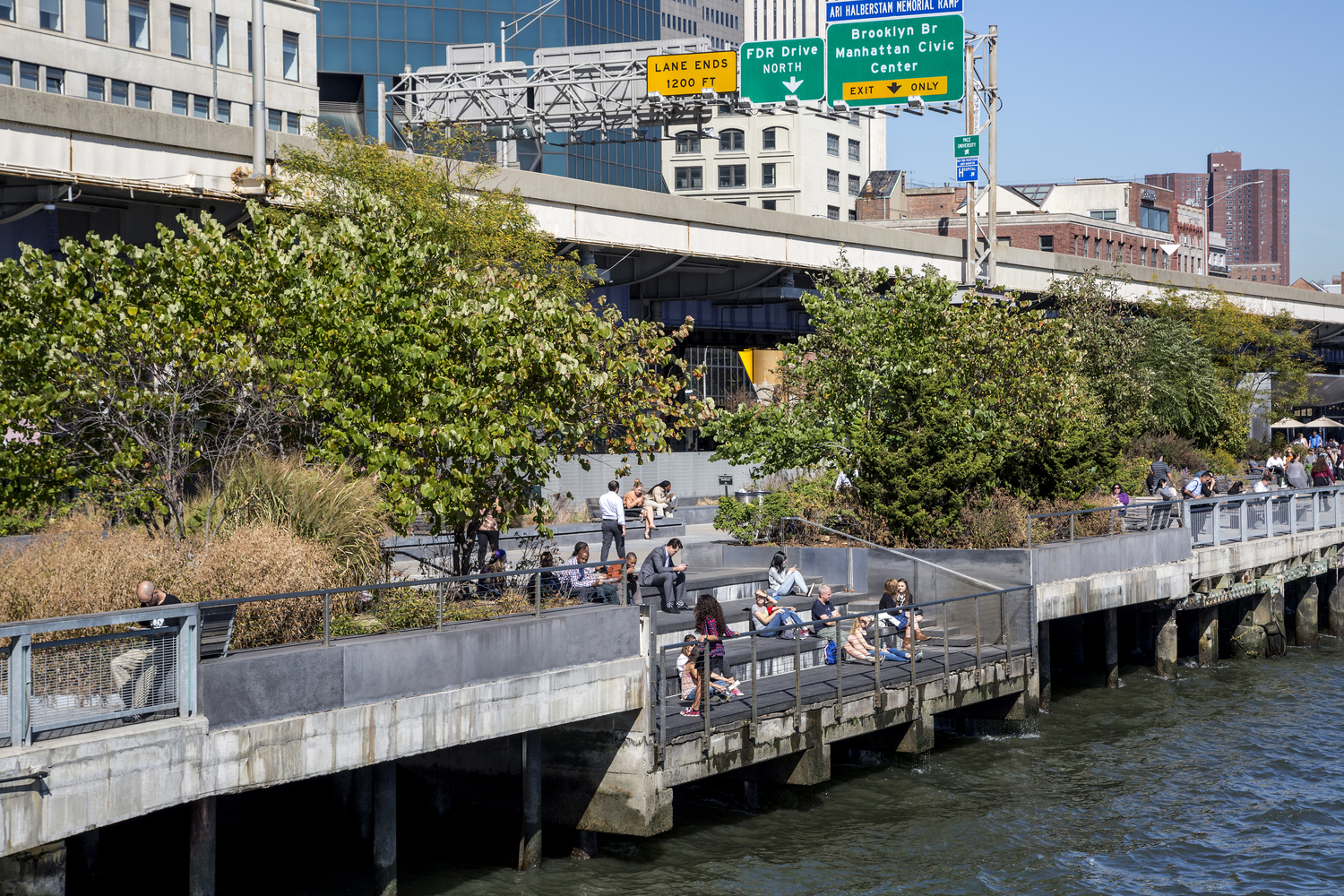
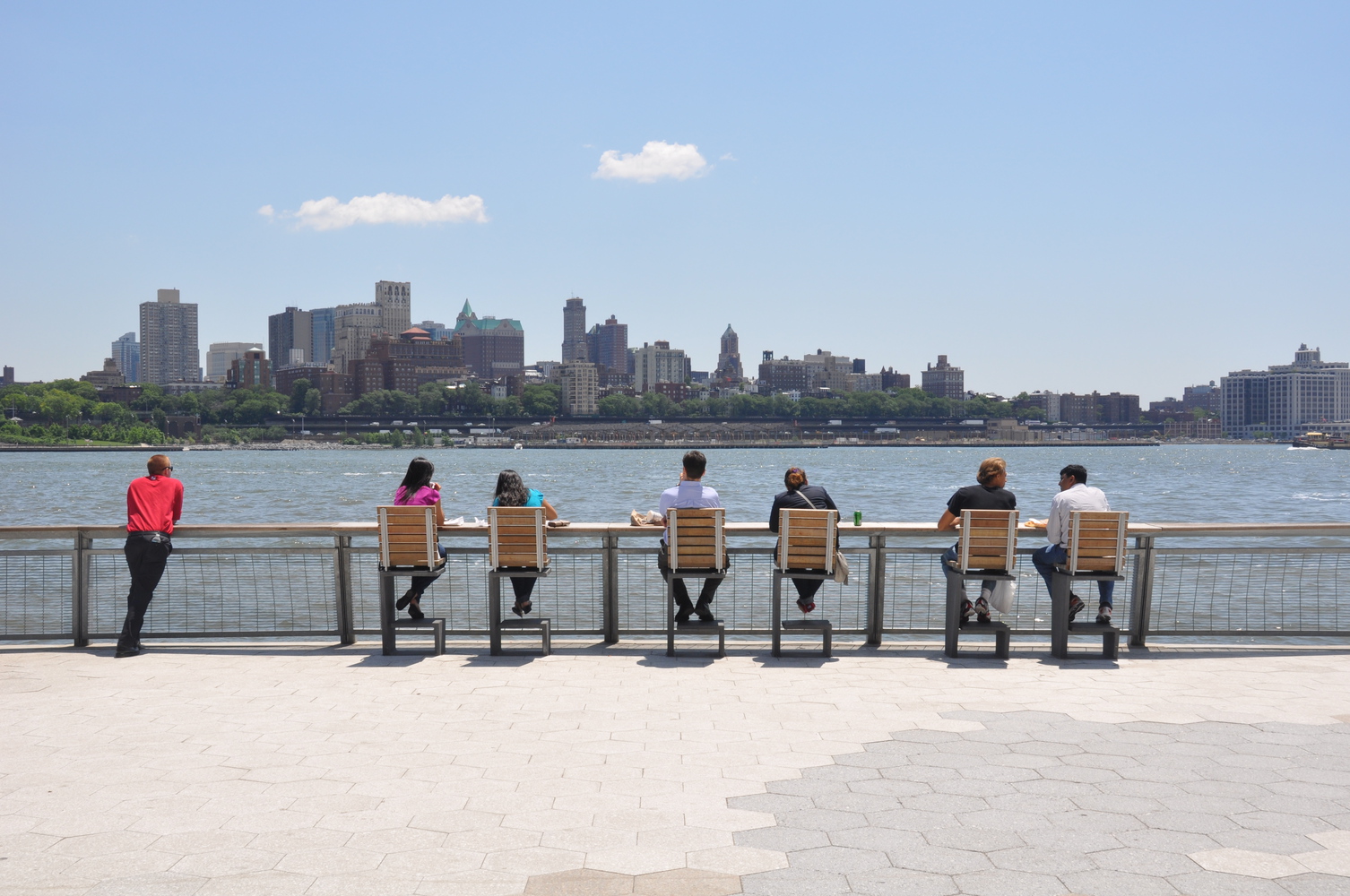
Since 2004, SHoP Architects has undertaken a series of projects to restore and bring new life to the long-forgotten waterfront area of Lower Manhattan. Extending from the Financial District to the historic South Street Seaport and neighborhoods in the Lower East Side, the projects include new parks, piers, recreational spaces, bike paths, and commercial areas.
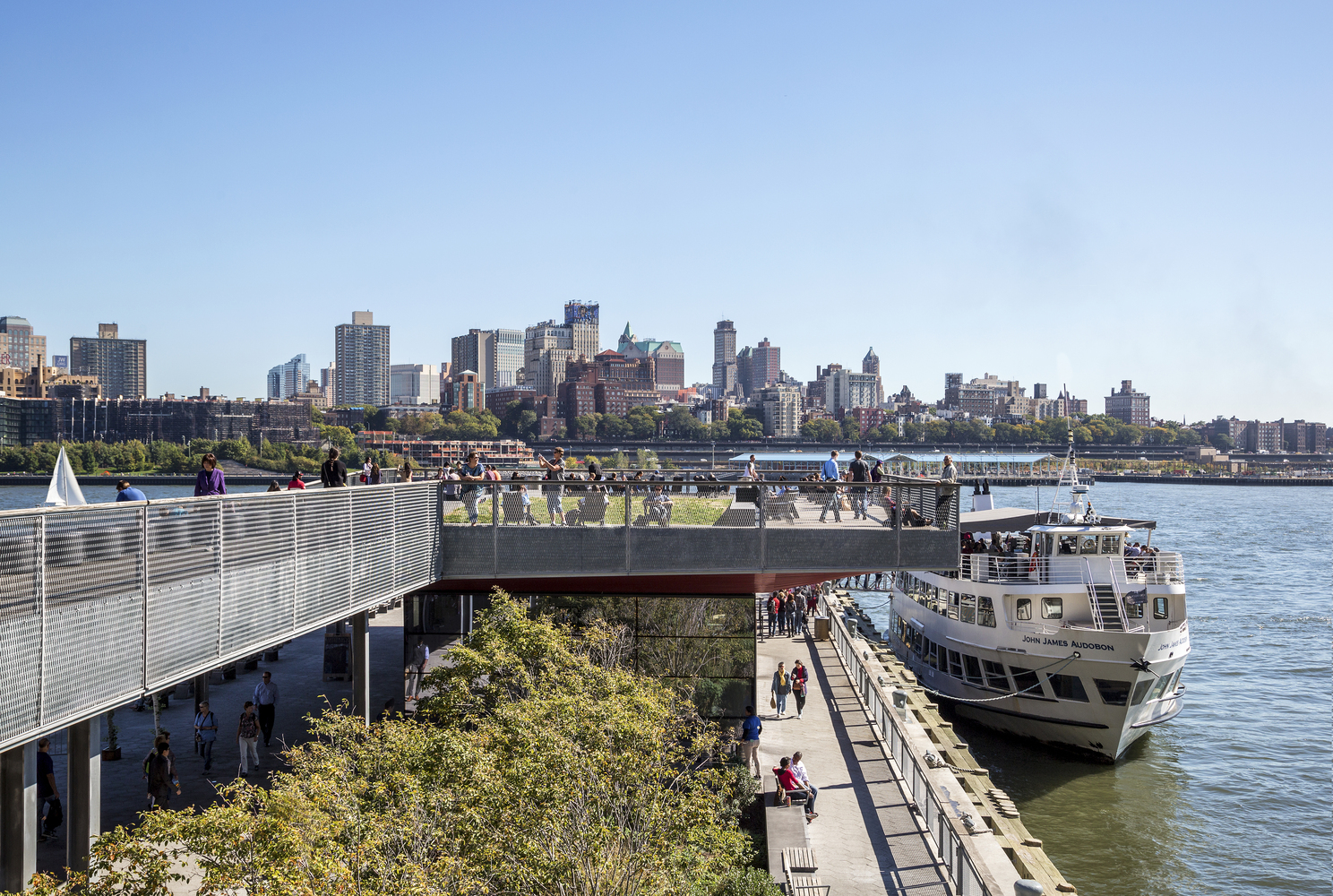
The Pier 15 project, inspired by 19th-century bridge structures in New York and developed in close collaboration with local residents and authorities, is set to become a central public space for the surrounding neighborhoods. This project aims to restore the riverside landscape, neglected for generations, and give it a fresh, modern look for future generations.
Key Features of the Project:
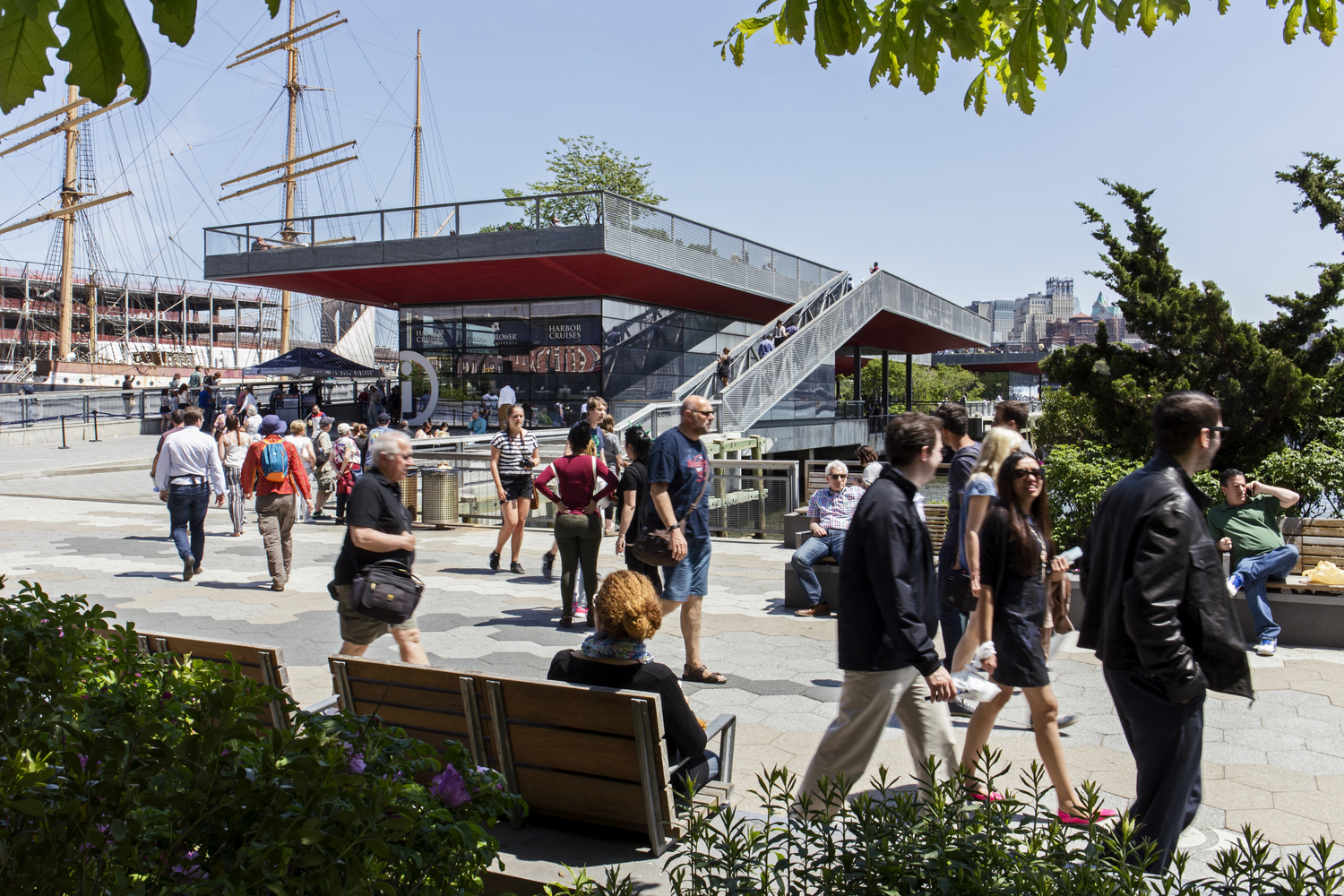
- Unique Urban Architecture: Pier 15, inspired by the tradition of 19th-century two-level piers in New York City, has been designed to serve as an important activity hub for both residents and tourists.
- A Versatile Second Level: The second level includes a café, a maritime education center, shaded walkways, and an "observation deck" leading down to the water, transforming Pier 15 into a blend of park and working pier.
- Industrial Past, Commercial Present: The design creates a unique urban recreational space that honors the site’s historical context while serving modern-day needs.
.jpg)
Follow us for more Green ideas.
Build Green. Build with ARDOR Green.
#ARDORSeeds. #LEED. #LOTUS. #EDGE. #ESG. #GreenBuilding. #Sustainability.
Latest news

Scope 3 Emissions - Điểm mù lớn nhất của bất động sản bền vững
Mỗi sáng, hàng nghìn người di chuyển đến tòa nhà của bạn bằng xe máy xăng, ô tô cá nhân hoặc taxi công nghệ. Mỗi chiều, họ lại rời đi theo cách tương tự. Chu trình đó lặp lại hàng trăm ngày mỗi năm - và trong suốt thời gian đó, một lượng phát thải carbon khổng lồ đang được tạo ra bên ngoài phạm vi vận hành trực tiếp của tòa nhà. Đây là “điểm mù Scope 3” của bất động sản.

Circular Economy Under Scarcity Pressure: Is Resource Autonomy the Solution?
Amid increasing resource scarcity and escalating geopolitical instability, the concept of resource autonomy is emerging as a strategic priority. This article examines how resource autonomy not only complements—but may even surpass—the circular economy as a framework for enabling industrial systems to adapt to the future.


ARDOR Green named Vietnam’s Top 3 LEED® Proven Providers™ by GBCI
What this means for our clients: A more efficient LEED review timeline, with approvals completed significantly faster than the standard review process. Direct and enhanced engagement with the GBCI review team, enabling complex issues to be reviewed and resolved through focused, one-on-one discussions. Independent recognition of ARDOR Green’ established expertise in LEED project administration, reflecting the firm’s high standards in design quality and documentation.

Unlocking Multi-Credit Synergies through Integrative Design in LEED v4
The realization of benefits associated with LEED starts with a transformation of the design process itself. Rather than treating credits as separate components on a checklist, an Integrative Process encourages project teams to identify synergies and interrelationships across multiple categories. By conducting early research and analysis during the "discovery" phase, teams can implement specific building features that "stack" points, achieving high levels of performance and cost-effectiveness.

Re-shaping the Construction Industry: When Emissions, Technology, and Data Become the New Market Standards
In recent years, green finance has often been cited as the key that enables Vietnamese enterprises to access international markets. However, the broader picture of the construction industry reveals a far deeper transformation: the world is not merely changing how capital is allocated, but is fundamentally restructuring the entire industry toward low emissions, advanced technology, and data transparency.
Build Green, Build with ARDOR Green

