

From design to operation: How ARDOR Green delivers Green Building Consultancy
Share:
A building may achieve green certification, but the story of its performance does not end when the certificate is issued.
How much energy does the building actually consume? Is the air-conditioning system operating in line with the original design assumptions? Does the indoor environment provide sufficient daylight, ventilation and thermal comfort? Do water-saving measures continue to perform effectively after handover?
These questions demonstrate why the role of a green building consultant today extends far beyond preparing certification documentation.
At ARDOR Green, consultancy is delivered across the entire project journey — from goal setting, design and performance simulation to construction, commissioning and operation. The objective is to translate sustainability requirements into technical decisions that can be implemented and, more importantly, measured once the building is in use.
1. Start with the project challenge, not the checklist
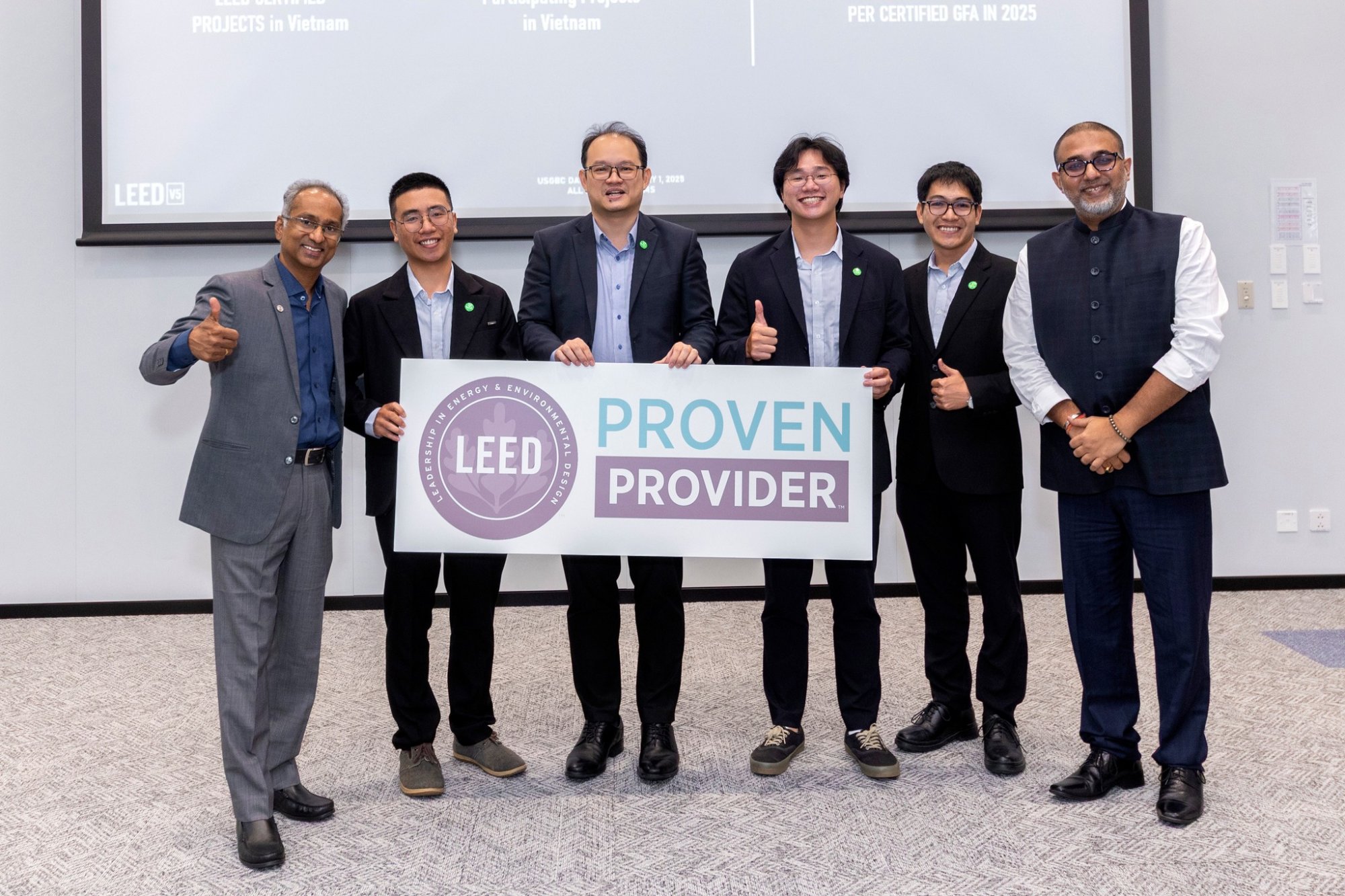
Figure 1: ARDOR Green receives LEED Proven Provider recognition, becoming one of only three organisations in Vietnam to achieve this designation.
An FDI factory may need to meet the LEED requirements of its parent company. An office building may need to control operating costs while improving the quality of the workplace environment. An existing building may need to improve energy efficiency, while a new development may need to determine from the outset whether LEED, LOTUS, EDGE or another certification system is the most appropriate route.
For this reason, ARDOR Green begins by understanding the project’s investment objectives and actual conditions.
At the early stage, the team may work with the developer to define certification targets, assess feasibility, establish a responsibility matrix, organise an Eco-Charette and develop a roadmap so that sustainability requirements are integrated into the design process rather than added after the scheme is already close to completion.
This approach is particularly important because many of the decisions that have the greatest impact on building performance are made very early: building orientation, massing, window-to-wall ratio, envelope design, shading strategies and ventilation planning.
Once these elements have been fixed, improving performance at a later stage often becomes more complex and more expensive.
2. Using simulation to turn sustainability goals into design decisions
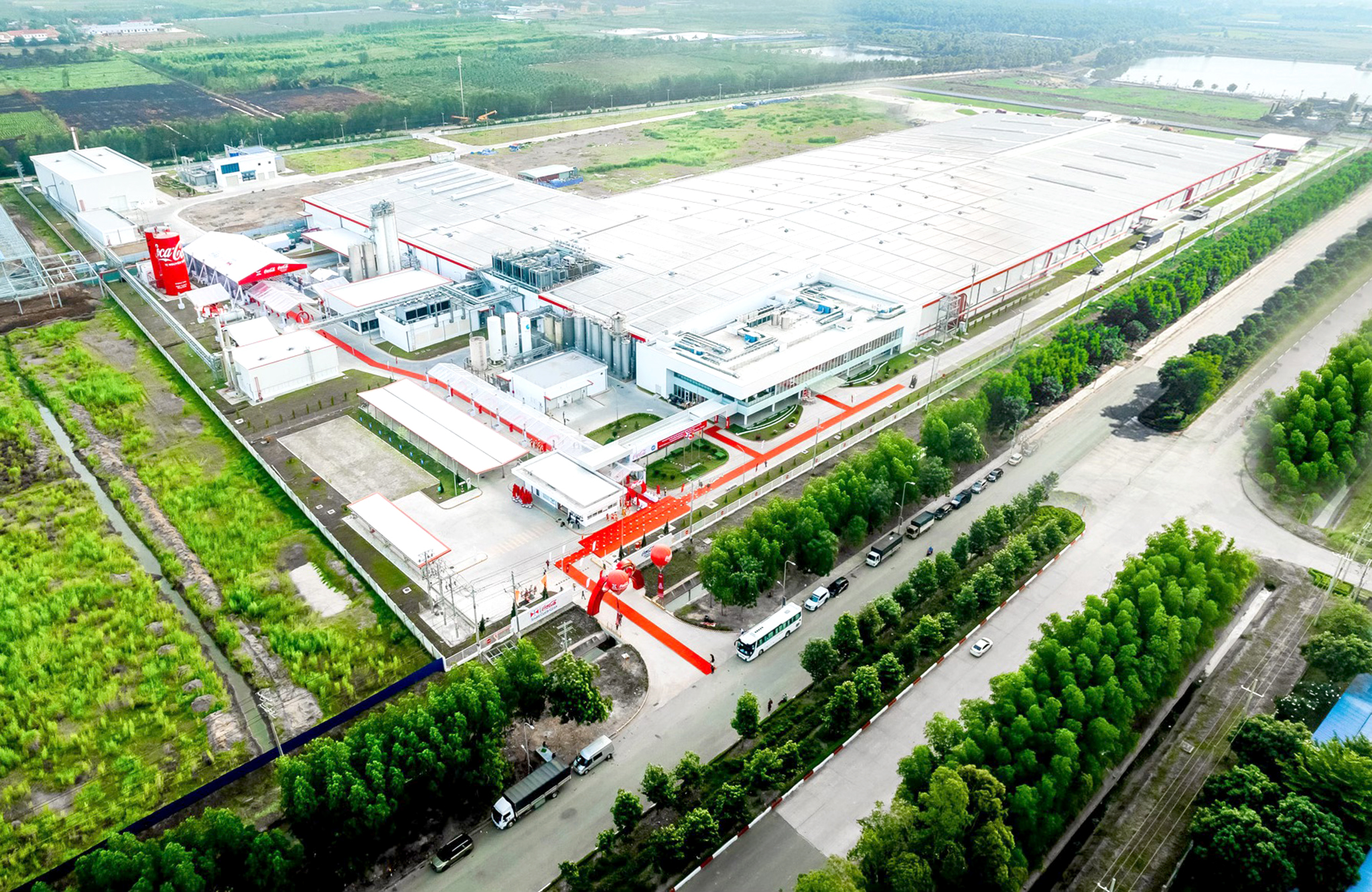
Figure 2: Coca-Cola Long An Factory achieved LEED Gold certification with consultancy by ARDOR Green.
One of ARDOR Green’s key areas of expertise is Building Physics - the study and simulation of how buildings perform.
Rather than assessing a design only after it has been completed, simulation tools are used to test multiple scenarios before decisions are incorporated into the drawings.
ARDOR Green’s current analysis scope includes building energy modelling, façade analysis and passive design, CFD analysis for ventilation, daylight analysis, thermal comfort, indoor air quality and other factors related to building-envelope performance.
These studies can answer very specific questions:
- What is the appropriate window-to-wall ratio?
- Which orientations require additional solar shading?
- What U-value and SHGC should the glazing achieve to meet energy targets?
- Is a natural ventilation strategy feasible?
- How much can improvements to the building envelope reduce cooling demand?
- Which option provides the best balance between capital cost and operational performance?
As a result, simulation is not simply a calculation carried out for certification purposes. It becomes a tool that supports the design decision-making process.
3. Connecting architecture, MEP, materials and green building objectives
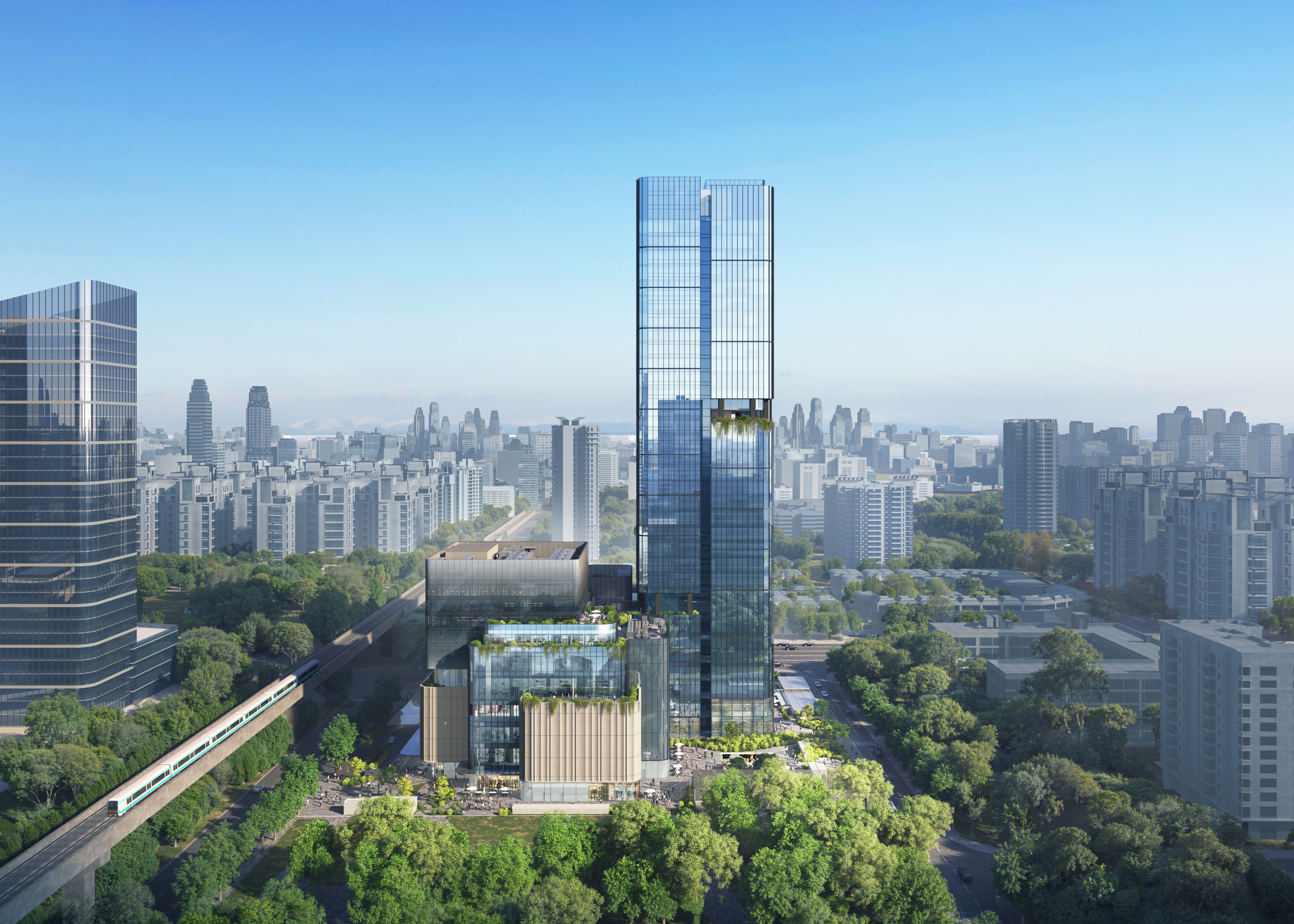
Figure 3: Starlake Urban Complex achieved LEED Platinum certification with consultancy by ARDOR Green.
Building performance does not come from a single solution.
Architectural design affects cooling loads. The building envelope influences air-conditioning capacity. MEP systems determine operational energy use. Materials affect embodied carbon and indoor environmental quality.
ARDOR Green therefore works across multiple disciplines — from architecture, structure and MEP to landscape, contractors and suppliers — to integrate green building requirements into one coordinated process.
The consultant’s role is not to introduce as many “green” technologies as possible.
Instead, the objective is to identify the most appropriate combination of solutions for each project: first reducing energy demand through passive design, then optimising technical systems and selecting the corresponding equipment.
This approach also allows developers to compare options against three factors at the same time: performance, cost and feasibility. (3)
4. From drawings to the construction site
A strong design solution only creates value when it is implemented correctly in practice.
When a project moves into the construction stage, the scope of work therefore continues through the review of materials and equipment, monitoring of site-related requirements, and coordination of inspection and commissioning activities.
These items may include low-VOC materials, products with environmental documentation or sustainability certifications, high-efficiency mechanical and electrical equipment, construction waste management, and indoor air quality requirements during construction.
ARDOR Green also provides Fundamental and Enhanced Commissioning, together with energy analysis and energy auditing services.
Commissioning is particularly important because it creates the link between design intent and the way systems actually operate after installation.(4)
5. Post-handover performance reveals whether the design is truly effective
The difference between expected design performance and actual operating performance - commonly referred to as the Performance Gap - is one of the major challenges in the green building industry.
A building may perform very well in simulation yet still consume more energy than expected if equipment is not configured correctly, systems are not operated efficiently, or user behaviour differs from the assumptions made during design.
For this reason, operational data is becoming a natural continuation of the consulting process.
Indicators such as electricity and water consumption, indoor air quality, CO₂ levels and user-comfort parameters allow the project team to assess whether the targets established during the design stage are genuinely being maintained in operation.
This is also why the market is gradually shifting from asking:
“What certification has the building achieved?” to “How is the building actually performing?”
6. The SIX8: when green building performance continues to evolve after occupancy
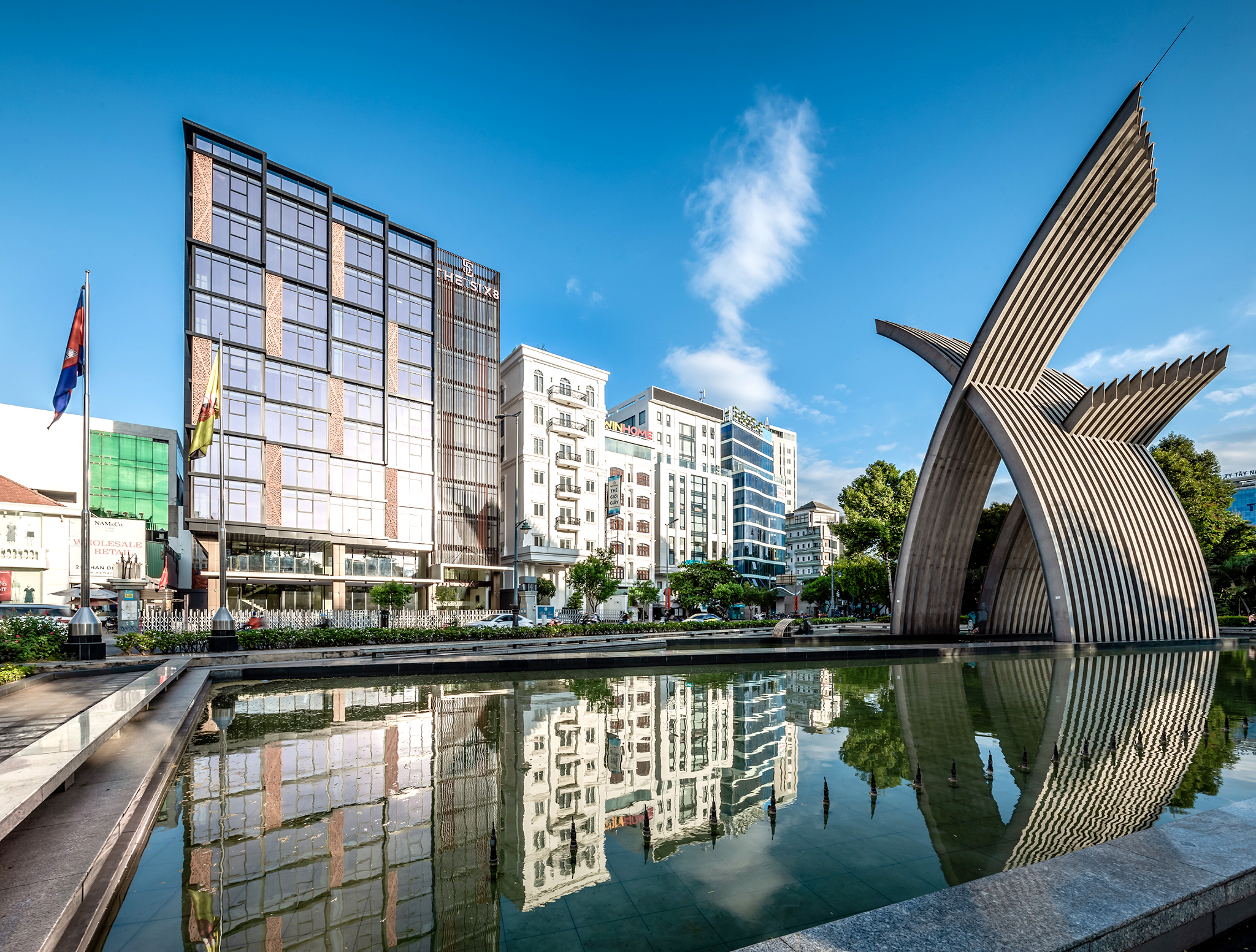
Figure 4: The SIX8 Building, one of ARDOR Green’s key projects, was designed and operated in accordance with the international EDGE Advanced and LEED Platinum O+M standards.
The SIX8 in Ho Chi Minh City demonstrates how the sustainability journey can continue even after a project has achieved its initial objectives.
The project initially focused on resource efficiency under EDGE. During the consulting process, the scope was expanded to include factors such as indoor environmental quality, CO₂ control, daylight and thermal comfort.
The building subsequently achieved EDGE Advanced and later LEED Platinum O+M during its operational phase.
What matters is not only that the project achieved two certifications.
The two assessment stages address two different questions: one examines how the building is designed to use resources efficiently, while the other places greater emphasis on how the asset is actually managed and operated.
7. TTI Factory: using data to avoid unnecessary investment
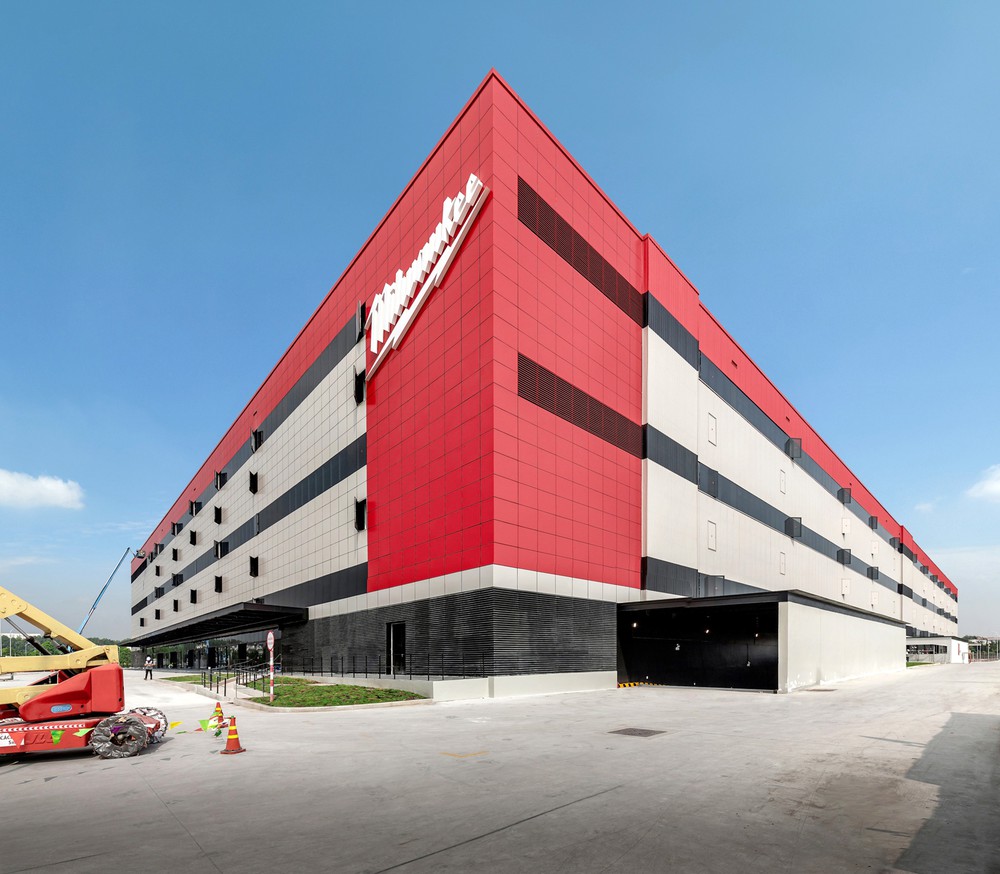
Figure 5: TTI Techtronic Industries at Saigon Hi-Tech Park, Ho Chi Minh City, with consultancy by ARDOR Green.
In another building typology, the TTI Factory at Saigon Hi-Tech Park in Ho Chi Minh City faced two requirements at the same time: achieving a LEED Gold target while controlling capital expenditure.
ARDOR Green became involved from the Eco-Charette stage and used energy modelling, microclimate analysis and coordination with architects and MEP engineers to assess the building’s operational requirements.
Instead of assuming that a green building necessarily required additional equipment, the analysis was used to reconsider the capacity of the systems themselves.
This illustrates an important principle: optimising a green building does not always mean investing more - sometimes the greatest value comes from identifying exactly what needs to be invested in.
8. A green building is created throughout the entire process
For ARDOR Green, certification remains an important tool. It provides a set of criteria, a verification process and a common language that allows developers, consultants, contractors and operators to work toward the same objectives.
But the value of a project does not exist only in the certificate.
That value is created through a series of decisions made throughout the building lifecycle: a better-optimised façade, an MEP system selected at the correct capacity, a material with lower environmental impact, a properly commissioned system, or operational data monitored long enough to identify opportunities for improvement.
This is also how ARDOR Green approaches green building consultancy: connecting sustainability objectives with design, engineering and data so that the value established on the drawing board can continue to exist when the building enters operation.
Latest news


Build Green, Build with ARDOR Green

